
Plants
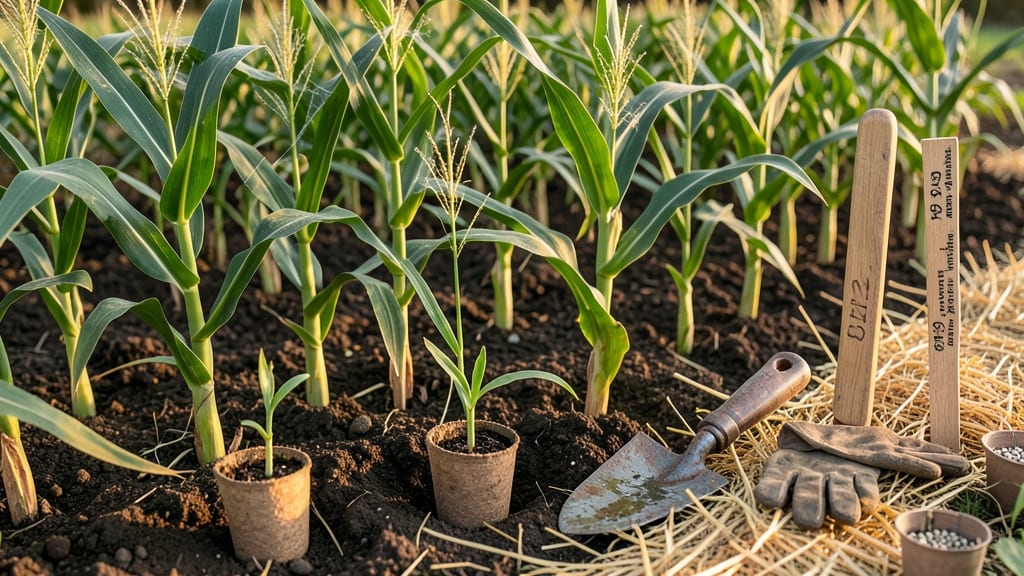
Timing your corn planting in Zone 9 isn't just about the calendar—it's about waiting for the soil to reach that perfect warmth that triggers fast germination. 🌽 Too early, and your seeds risk rotting in cold, damp earth; too late, and you might miss the ideal growing window.
The key? Understanding when your soil hits at least 60°F, because that's when corn really takes off.
I've learned the hard way that rushing the process can backfire—last year, my early planting attempt left me with stunted stalks and fewer ears. But once I mastered the soil temperature trick, my corn grew twice as fast and produced a harvest that lasted all summer.
This is where most gardeners trip up, but I'm here to show you exactly how to get it right.
We'll break down the exact soil temperature ranges you should watch for, plus the best months to plant based on your specific microclimate in Zone 9.
Whether you're dealing with coastal breezes or inland heat, knowing these details makes all the difference. Let's get your corn off to the fastest possible start.
From testing soil warmth to spacing your plantings for continuous harvests, I'll walk you through every step. You'll discover how to avoid common mistakes that slow germination and learn the three-phase planting strategy that keeps fresh corn coming all season long.
Ready to grow corn that's ready to pick in record time?

Optimal soil temperature ranges for planting corn in Zone 9
Corn seeds need warm soil to germinate quickly, and in Zone 9, this means waiting until the ground temperature consistently reaches 50°F (10°C) at least 1 inch deep.
Planting too soon—when soil is still cool—leads to slow germination or even rot, while waiting until 60°F (15.5°C) ensures vigorous growth. Coastal areas in Zone 9 (like San Diego) may warm earlier than inland regions (like Phoenix), so adjust your timing accordingly.
To test soil temperature, use a soil thermometer in the morning after the dew has dried. Aim for 60-70°F (15.5-21°C) for the best results—this range triggers fast germination and reduces disease risk.
If your soil is still below 50°F (10°C), wait another 1-2 weeks or use black plastic mulch to warm the soil faster.
Why does soil temperature matter so much? Corn seeds require consistent warmth to activate enzymes that break down stored nutrients. Below 50°F (10°C), these processes stall, leaving seeds dormant or prone to fungal infections.
In contrast, soil at 70°F (21°C) can sprout seeds in just 5-7 days, compared to 14+ days in cooler conditions.
Zone 9’s microclimates add complexity: Coastal areas (e.g., Los Angeles) may see 50°F soil as early as February, while inland valleys (e.g., Palm Springs) might not hit this mark until March or April.
Use a local weather station or USDA Plant Hardiness Map to refine your timing based on your specific location within the zone.
Pro tip: If you’re eager to plant early, try a cold frame or row covers to create a microclimate with warmer soil. These methods can shave off 2-3 weeks of waiting time, especially in cooler coastal pockets of Zone 9.
Just ensure the cover doesn’t trap too much moisture, which can suffocate seeds.
| Soil Temperature Range | Germination Speed | Risk Level | Zone 9 Planting Window |
|---|---|---|---|
| Below 50°F (10°C) | Very slow (14+ days) | High (rot, mold) | Avoid planting |
| 50-59°F (10-15°C) | Slow (10-14 days) | Moderate (delayed growth) | Wait if possible |
| 60-70°F (15.5-21°C) | Fast (5-7 days) | Low (ideal) | Optimal planting |
| Above 70°F (21°C) | Very fast (3-5 days) | Low (but watch for drought stress) | Best for late plantings |
🌱 Key Takeaway: Aim for 60°F+ soil for fastest germination in Zone 9.
Once your soil hits the ideal range (60-70°F), act quickly—corn seeds lose viability faster in hot, dry conditions. Plant in blocks (not rows) to ensure cross-pollination, and space seeds 1 inch apart with 12 inches between plants.
In Zone 9’s heat, shallow planting (1 inch deep) helps seeds access warmth faster than deeper placements.
Monitor soil moisture closely after planting: Overwatering cold soil can leach nutrients away, while underwatering warm soil causes seeds to dry out. Keep the soil evenly moist (not soggy) until germination.
A light mulch layer (like straw) retains moisture and regulates temperature, which is especially helpful in coastal Zone 9 where mornings can be chilly even when days are warm.
If you’re unsure about your soil’s readiness, conduct a simple finger test: Push your finger 1 inch deep into the soil. If it feels cool to the touch (like a chilled soda can), wait a few more days.
If it’s warm (like body temperature), it’s time to plant! This method works best in the morning, when soil temperatures are most stable.
For gardeners in Zone 9’s inland desert regions, soil can warm to 80°F+ (27°C) by mid-March, creating a perfect window for early plantings. However, be cautious of sudden heat spikes, which can stress young seedlings.
Use shade cloth during the hottest part of the day if temperatures exceed 90°F (32°C).
Optimal soil temperature ranges for planting corn in Zone 9
Zone 9 gardeners know corn loves warmth, but planting too early can turn your seeds into sad, mushy disappointments. The key is waiting for soil to reach 50°F minimum, with 60°F+ ideal for fast germination.
Cold soil slows growth and invites rot, while waiting too long risks stunted plants before summer heat arrives.
Use a soil thermometer to check depth (1-2 inches). Coastal areas like San Diego may hit 55°F by February, while inland spots like Phoenix might need to wait until March or April. Morning sunlight warms soil fastest—plant after 10 AM for best results.
Why these temps matter: Corn seeds need consistent warmth to activate enzymes that break down starches. Below 50°F, germination can take 3+ weeks instead of 7-10 days. In Zone 9’s mild winters, this means no early planting—patience pays off with stronger stalks.
🌱
| Soil Temp Range | Germination Time | Zone 9 Timing | Risk Factor |
|---|---|---|---|
| Below 50°F | 3+ weeks | Never plant | Rot/fungal issues |
| 50-59°F | 2-3 weeks | Wait for 60°F+ | Slow growth |
| 60-65°F | 7-10 days | Ideal window | Best yield |
| Above 70°F | 5-7 days | Late planting | Heat stress |
Pro tip: Test soil moisture too—damp but not soggy is perfect. Overwatering cold soil drowns seeds, while dry soil prevents root establishment. Aim for 1 inch of water per week once planted. Mulch with straw to retain warmth and moisture.
For succession planting, stagger seeds every 2 weeks after your first batch germinates. This ensures continuous harvests through summer’s end. Just remember: no corn after July in Zone 9—days get too long, and ears turn tough and starchy.
☀️