
Vegetables
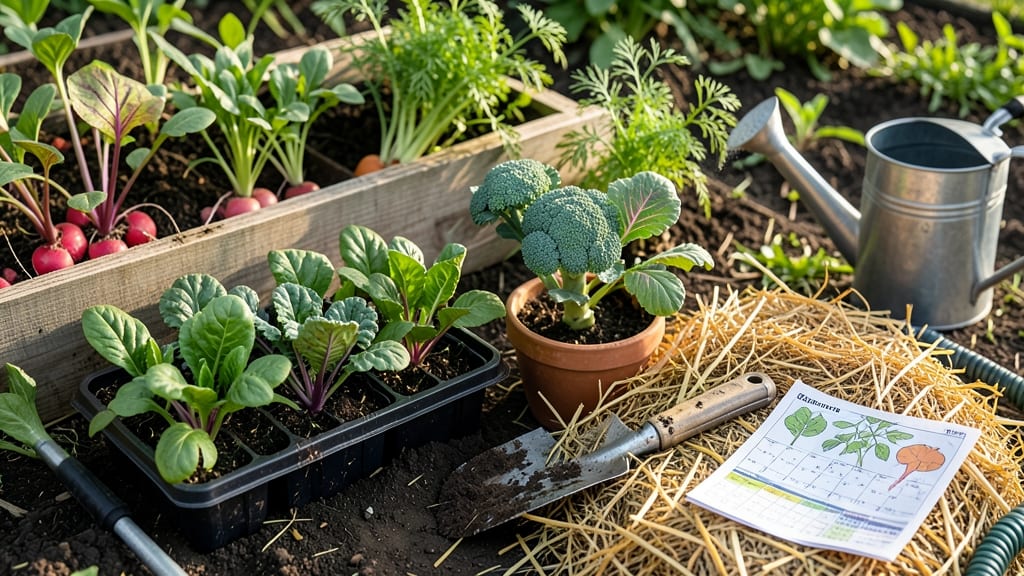
If you’ve ever wondered why your fall garden fizzles out before winter sets in, the answer might be simpler than you think: timing is everything when planting fall vegetables in Zone 5.
With just 4-6 weeks before the first frost, you can still grow crisp kale, sweet carrots, and hardy spinach—but only if you start at the right moment. I’ll show you exactly when to plant for a harvest that lasts from October through December, even in colder microclimates like 5a/5b.
Most gardeners assume fall planting is a gamble, but with the right schedule, you’ll avoid bolting greens and stunted roots. Whether you’re a beginner or a seasoned gardener, these tips will help you extend your growing season without stress.
Let’s dive into the best planting windows, frost-proof crops, and pro tricks to keep your 🥬 garden thriving long after summer’s over.

Zone 5 fall planting calendar: exact dates by frost date
Zone 5 gardeners have a short but sweet window to plant fall vegetables—typically between mid-August and mid-October. The key is timing your crops to mature before the first frost, which usually arrives around October 1st in most of Zone 5.
Miss this window, and you’ll risk bolting, stunted growth, or frozen plants before harvest.
Your planting schedule should align with frost dates and crop maturity. For example, fast-growing radishes (30 days) can be sown as late as September 15th, while slower Brussels sprouts (90 days) need to start by mid-August. Below, I’ve broken down the exact timing for your garden’s success.
🌱 Zone 5 Fall Planting Timeline
| Stage | Action | Best Crops | Notes |
|---|---|---|---|
| Early August | Start seeds indoors or direct-sow slow growers | Broccoli, Cabbage, Brussels Sprouts | 90+ day crops |
| Mid-August | Direct-sow medium-speed crops | Carrots, Beets, Lettuce, Spinach | 60-75 day crops |
| Late August | Plant fast growers for late harvest | Radishes, Arugula, Turnips, Kale | 30-45 day crops |
| Early September | Succession plant for staggered harvests | Peas, Green Onions, Swiss Chard | Sow every 2 weeks |
| Mid-September | Final sowing for hardy greens | Spinach, Lettuce, Radishes | Use row covers for frost protection |
Pro tip: Use a frost date calculator for your specific location within Zone 5—dates can vary by 1-2 weeks between northern (5a) and southern (5b) areas. For example, Chicago (5b) might have a later first frost than Detroit (5a), giving you a few extra days to plant.
If you’re unsure about your exact frost dates, check your local Cooperative Extension Service or use a gardening app like Old Farmer’s Almanac. These tools provide hyper-localized data to fine-tune your planting schedule.
For succession planting, aim to stagger sowings every 2-3 weeks for continuous harvests. For instance, plant a row of radishes in late August, another in early September, and a final row in mid-September. This ensures you’ll have fresh radishes ready every few weeks until frost.
Don’t overlook soil temperature—most cool-season crops thrive when soil temps are between 40°F and 75°F. If your soil is still warm in late summer, wait until temps drop below 80°F before planting to avoid stressing seedlings.
A soil thermometer is a $10 investment that pays off in healthier plants.
Remember, fall planting isn’t just about timing—it’s also about protecting your crops from early frosts. Use row covers or cold frames to extend the season by 2-4 weeks, especially for tender crops like lettuce or spinach. I’ll cover these protective strategies in more detail later in the guide.
Start with the slowest-maturing crops first, then work your way to faster growers as the season progresses. This ensures you maximize your garden space and harvest potential before winter sets in. With the right timing, you’ll enjoy a bountiful fall harvest that rivals spring plantings! 🥬
Best fall vegetables for Zone 5: fast-growing vs. slow-maturing crops
Fall gardening in Zone 5 rewards patience with crisp, flavorful vegetables that thrive in cooler weather. The key? Matching your planting timing to each crop’s maturity rate.
Fast growers like radishes and spinach can be sown as late as September, while slower varieties such as Brussels sprouts or broccoli need an earlier start to mature before frost.
Cold-hardy vegetables actually sweeten when exposed to light frost, making them perfect for extending your harvest well into winter. But not all crops play nice with chilly temps—some bolt (flower prematurely) or wilt when nights dip below 40°F (4°C).
Let’s break down your best bets for a Zone 5 fall garden, categorized by how quickly they grow.
🌱 Fast Growers (30-60 days) are your secret weapon for late-season planting. These crops can handle light frost and even improve in flavor after a freeze. Think baby carrots, radishes, turnips, and lettuce. Plant these 4-6 weeks before your first frost (typically late August to early September in Zone 5) for a quick harvest.
For slow-maturing crops, timing is everything. Start seeds indoors in late July or transplant seedlings in early August to give them enough time to bulk up before winter sets in. Brussels sprouts and cabbage actually taste sweeter after a light frost, but they need 60-90 days to reach maturity.
Don’t overlook root vegetables like beets and turnips, which store well in the soil and can be harvested as needed. These thrive in cool soil (ideal temp: 50-65°F / 10-18°C) and benefit from loose, well-draining soil to prevent forking or cracking.
Extend your harvest even further with cold frames or row covers. These simple tools can protect tender crops like lettuce and spinach from hard frosts, giving you fresh greens well into December.
Just remember: harvest before hard frost (below 20°F / -7°C) for the best texture and flavor.
🌿 Whether you’re a beginner or a seasoned gardener, focusing on these cold-hardy crops will ensure your fall garden stays productive long after summer’s heat fades. Start with the fast growers for quick wins, then plan your slower varieties for a longer harvest window.