
Plants
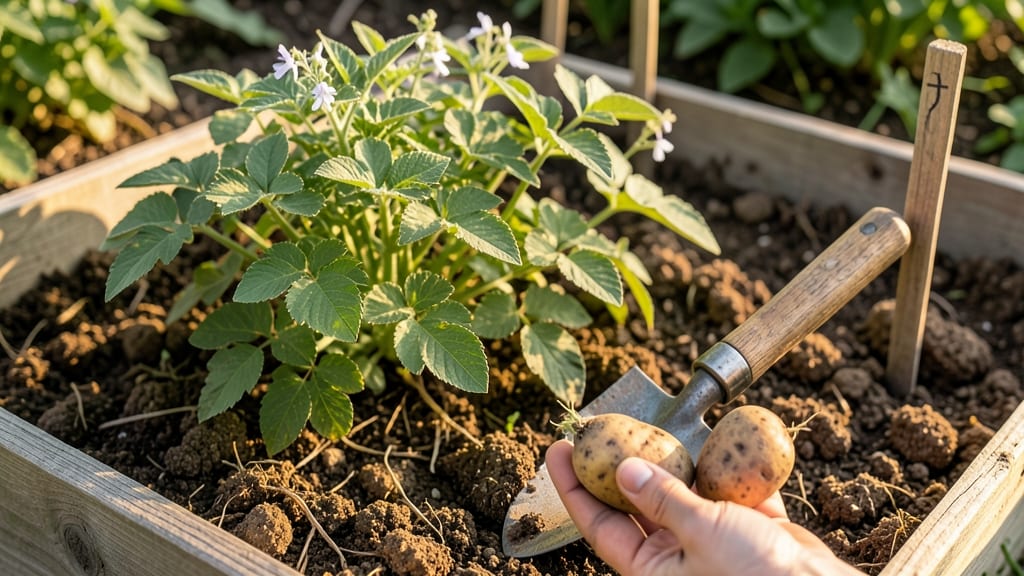
When to plant fall potatoes in Texas could mean the difference between a thriving harvest and a wasted effort—especially when Texas heat lingers into September or frost sneaks in earlier than expected. The 8a-11 climate zones across the state create a puzzle: plant too early, and your 🥔 might bolt before tubers form; too late, and a cold snap could ruin your crop before harvest. But don’t stress—with the right schedule and microclimate tweaks, you can nail the perfect window for your region.
Whether you’re in North Texas where frost hits by November or South Texas where temperatures stay mild longer, the key is understanding your local frost dates and soil temperatures.
I’ll break down the exact planting windows for Central Texas, Hill Country, and coastal areas so you can avoid common mistakes—like bolting or stunted growth—that derail even the most eager gardeners.
You’ll also discover how to choose the best cold-hardy varieties (like Yukon Gold or Red Pontiac) for your zone and when to start them indoors for a head start.
Plus, I’ll share my go-to tricks for extending the growing season, whether it’s using mulch to cool the soil or adjusting watering schedules to keep your potatoes happy until harvest.
Ready to turn your Texas garden into a potato powerhouse? Let’s dive into the step-by-step guide that’ll have you digging up those golden tubers come winter—without the guesswork.
Texas fall potato planting zones: microclimate breakdown by region
Texas spans USDA Zones 8a–11, meaning fall potato planting dates vary dramatically from the Panhandle to the Rio Grande Valley. In North Texas (Dallas/Fort Worth), where first frost hits November 15–December 1, aim for late August to early September plantings.
Meanwhile, South Texas (Houston/Beaumont) gardeners can plant until mid-October thanks to milder winters.
Central Texas (Austin/San Antonio) falls in Zone 8a, with frost arriving November 15–20. Here, August 20–September 10 is ideal for 90-day varieties like Yukon Gold.
West Texas (Lubbock/El Paso) is trickier—Zone 7b–8a—with earlier frosts (October 30–November 10), so plant July 20–August 15 for a fall harvest.
Microclimates matter: Even within regions, elevation changes frost dates. For example, Hill Country areas (like Fredericksburg) can be 5°F colder than nearby valleys, delaying planting by 1–2 weeks. Always check local frost maps (like Texas A&M’s AgriLife Extension) for precision.
Here’s how to align your planting with Texas’ four key regions, accounting for soil temperature (ideal: 50–65°F) and bolting risks in summer heat:
| Region | USDA Zone | First Frost Date | Ideal Planting Window | Best Varieties |
|---|---|---|---|---|
| North Texas (Dallas/Fort Worth) | 8a | Nov 15–Dec 1 | Late Aug–Early Sept | Yukon Gold, Red Pontiac |
| Central Texas (Austin/San Antonio) | 8a–9a | Nov 15–20 | Aug 20–Sept 10 | Kennebec, Purple Viking |
| South Texas (Houston/Beaumont) | 9a–10a | Dec 1–Jan 15 | Sept 1–Oct 15 | Sweet Potato, Red LaSoda |
| West Texas (Lubbock/El Paso) | 7b–8a | Oct 30–Nov 10 | July 20–Aug 15 | Russet Burbank, Katahdin |
Pro tip: Soil temperature is your real deadline. Use a soil thermometer—potatoes won’t sprout below 50°F. In West Texas, where August soils can hit 90°F, wait until temps drop to 75°F or use black plastic mulch to cool the soil faster.
For high-altitude areas (like Mountain Home), plant 2–3 weeks earlier than lowland zones. The Hill Country’s cooler nights slow bolting, letting you extend the window into early October. Just monitor daylength—potatoes need 12–14 hours of light to avoid bolting.
If you’re in Zone 10a/11 (Rio Grande Valley), treat fall planting like a winter crop. Plant September–October for harvests in December–February, using short-day varieties like Red LaSoda to prevent bolting. Here, frost is rare, but heat stress in late fall can still stunt growth.
Remember: Texas’ fall potato success hinges on two factors—timing and variety. Miss either, and you’ll face bolting (flowering too soon) or frost damage. Next, we’ll cover how to adjust planting dates for your specific microclimate to eliminate bolting entirely.
How to adjust planting dates for zero bolting in Texas heat
Texas’ late-summer heat can trick potatoes into thinking it’s spring, causing them to bolt prematurely—especially if planted too early. The key to avoiding this is delaying planting until soil temps drop below 80°F and using heat-mitigation strategies to extend the growing season.
Even a few degrees cooler can make the difference between a successful harvest and wasted effort.
Start by testing your soil temperature with a soil thermometer—aim for 60–70°F at planting time. If your soil is still too warm, wait 2–4 weeks or use shade cloth to cool it faster.
In North Texas, this might mean delaying planting until late August or early September, while South Texas gardeners can often start in mid-September.
Another trick is to plant potatoes in containers filled with moist potting mix. Containers warm up and cool down faster than in-ground soil, giving you better control over temps. Just ensure pots have drainage holes to prevent rot—a common issue in humid South Texas.
Finally, keep an eye on your potato plants’ growth stage. If you see flower buds forming too soon, it’s a sign of bolting. Remove flowers immediately to redirect energy to tuber development.
Pair this with consistent watering (every 3–5 days) and you’ll extend your harvest window by 2–4 weeks—even in Texas’ unpredictable climate.
With these adjustments, you can push your fall potato harvest well into December in most of Texas, avoiding the first frost that typically hits November 15–December 1 depending on your region.