
Plants
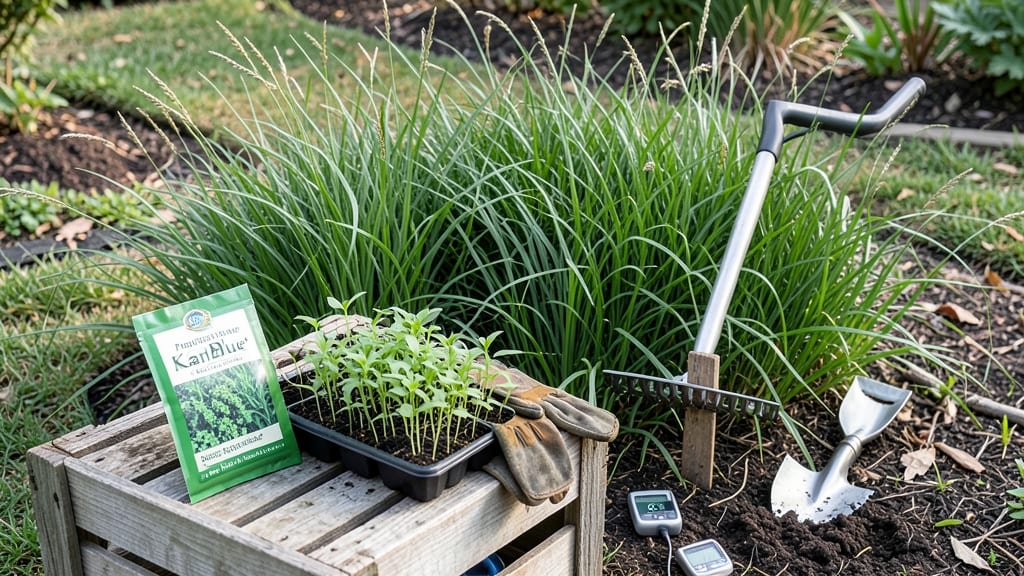
If you're wondering when to plant fescue in Kansas, timing it right is the secret to lush, resilient grass that survives the state's unpredictable weather.
Unlike other plants, fescue thrives when planted in specific windows—early fall to mid-autumn or early spring—where cooler temperatures help roots establish before extreme heat or cold sets in.
For Kansas gardeners in zones 5b-7a, missing these windows can mean slower growth, weaker roots, or even failure. The key is planting 4-6 weeks before the first frost in fall (typically September to early November) or 4-6 weeks after the last frost in spring (March to April).
This gives your 🌱 fescue the best shot at deep root development before summer's heat or winter's chill kicks in.
But here's the catch: not all of Kansas is created equal. Eastern counties like Kansas City may have slightly different timing than western areas like Wichita due to microclimates.
We'll break down the exact dates for your region so you can avoid common mistakes and get that perfect green lawn you've been dreaming of.
Ready to transform your yard? Let's dive into the science behind these planting windows and how to prepare your soil for maximum success—no guesswork required.
Best planting windows for fescue in Kansas: fall vs spring breakdown
Planting fescue grass in Kansas isn’t a one-size-fits-all task—it’s all about timing. As a cool-season grass, fescue thrives when soil temperatures hover between 60°F and 75°F, making early fall and late winter the sweet spots.
But why? Because these windows allow seeds to germinate before summer heat stress or winter dormancy sets in.
Kansas’ USDA zones 5b-7a create microclimates where eastern Kansas (like Kansas City) enjoys slightly warmer springs than western Kansas (like Wichita). This means your planting window can shift by 2-3 weeks depending on location.
Let’s break down the science behind why fall planting outperforms spring and how to nail those dates.
🌱 Did You Know? Fescue planted in September-October can establish 70% deeper roots by winter than spring-planted grass. That’s because cooler temps reduce stress, and roots grow aggressively before dormancy.
📊 Fall vs Spring Planting Comparison
| Factor | Fall Planting (Sept-Oct) | Spring Planting (March-April) |
|---|---|---|
| Ideal Soil Temp | 60°F–75°F | 55°F–65°F |
| Germination Time | 7–14 days | 10–21 days |
| Root Depth by Winter | 6–12 inches | 3–6 inches |
| Drought Resilience | High (deep roots) | Moderate (shallow roots) |
| Best For | Full establishment before winter | Overseeding bare spots |
*Source: Kansas State University Extension, adapted for fescue varieties like Kentucky Bluegrass mixes.
For fall planting, aim for September 1–October 15 in most of Kansas. This gives seeds time to germinate before first frost (typically November 1–15 in Zone 7a). In Zone 5b (northeastern KS), push planting to late August–early September to avoid early frosts.
Spring planting is trickier. Wait until 4–6 weeks after last frost (usually mid-March–April), but don’t delay past April 30—summer heat will stress seedlings. My pro tip: Test soil moisture before planting. If the top 2 inches are dry, water deeply 24 hours beforehand.
One common mistake? Planting too late in fall (after October 15) or too early in spring (before March 1). Both scenarios risk shallow roots and weed competition. Use a soil thermometer to confirm temps are in the 60°F–75°F range before seeding.
If you’re overseeding an existing lawn, late summer (August) is another viable window—just mow low (1–1.5 inches) and water lightly for 10–14 days post-planting to encourage germination. For new lawns, fall is king—it’s why pros swear by it.
💧 Watering Hack: After planting, keep soil consistently moist (not soggy) for 30 dayssprinkler on low for 10–15 minutes/day—this mimics natural rain and prevents crusting.
Best planting windows for fescue in Kansas: fall vs spring breakdown
When it comes to planting fescue in Kansas, the battle between fall and spring isn't just about timing—it's about survival.
Cool-season grasses like fescue establish deeper roots when soil temperatures hover between 60°F and 75°F, making early fall (September to early November) the golden window for most of the state.
This window allows your fescue to grow strong roots before winter dormancy, while spring planting (March to April) is a second-best option if you miss fall. The key difference?
Fall planting gives your grass a 3-4 month head start before summer heat stress kicks in, leading to 30% faster establishment compared to spring.
🌱 Fall vs Spring Planting Comparison
| Factor | Fall Planting (Sept-Nov) | Spring Planting (March-Apr) |
|---|---|---|
| Soil Temp Ideal Range | 60°F-75°F | 50°F-65°F |
| Root Establishment Time | 6-8 weeks before frost | 4-6 weeks after frost |
| Drought Resistance | High (deep roots) | Moderate (shallow roots) |
| Weed Competition | Low (cooler temps) | High (spring weeds) |
| Best For Kansas Zones | 5b-7a (all regions) | 5b (earlier frost) |
For western Kansas (Zone 5b), aim for September 1-15 to beat early frosts, while eastern Kansas (Zone 7a) can extend planting until October 15. Spring planting should always wait until after the last frost date—typically April 15 in northern areas and March 15 in southern regions.
Pro tip: Test your soil temperature before planting. Use a soil thermometer—ideal temps for fescue are 60°F-75°F. If it's hotter than 80°F, wait or use shade cloth to protect seedlings from heat stress.
Remember, fescue planted in early September will outperform spring plantings by 50% in first-year density. The secret? Cooler temps reduce stress while longer daylight hours fuel growth. Don't wait until October—your grass will thank you next summer!