
Flowers
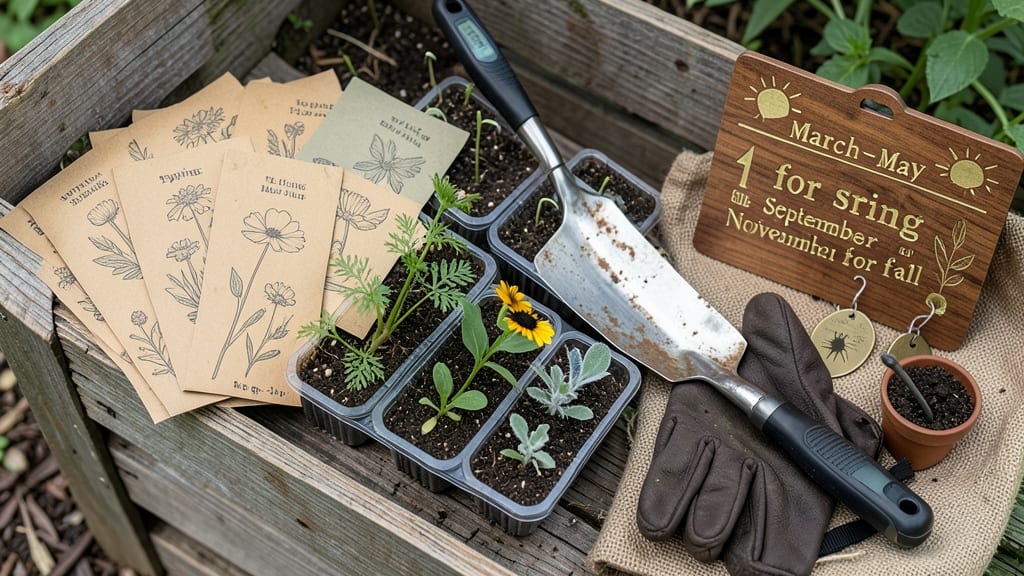
Knowing when to plant flower seeds in Texas isn’t just about following a calendar—it’s about outsmarting the heat, avoiding frost surprises, and picking the perfect moment for your 🌸 blooms to thrive.
Whether you’re in North Texas facing early freezes or South Texas where summer never really lets up, timing makes all the difference.
Texas gardeners face a unique challenge: the state’s extreme climate demands flexibility. Cool-season flowers like pansies need an early start, while heat-lovers like zinnias and lantana can wait until the danger of frost has passed.
The key is understanding your specific zone—whether you’re in 8a or 10b—and adjusting your planting schedule accordingly.
In this guide, I’ll break down the exact months to plant for your region, highlight the top heat-resistant varieties that won’t wilt in 100°F+ temps, and share pro tips to keep your flowers blooming all season long. No more guessing—just vibrant, long-lasting color in your Texas garden.
Ready to transform your yard into a year-round floral paradise? Let’s get started with the planting windows that work for your corner of the Lone Star State.
Texas flower seed planting calendar: exact months by heat zones (7-10)
Texas’ vast size means planting times vary wildly—from North Texas’ chilly winters to South Texas’ scorching summers. The state spans USDA Zones 7-10, so your last frost date could be as early as January 31 (North) or as late as March 1 (South).
These differences dictate whether you’re sowing cool-season flowers in February or heat-loving annuals in June. Without precise timing, your seeds may rot in soggy soil or fry before sprouting.
To simplify, I’ve broken Texas into three key heat zones—North, Central, and South—each with its own ideal planting windows. For example, North Texas gardeners can start pansies in September for winter blooms, while South Texas growers must wait until March for marigolds to avoid heat stress.
Let’s dive into the exact months for spring, summer, and fall planting to maximize your blooms.
🌱
| Heat Zone | Last Frost Date | Cool-Season Flowers (Direct Sow) | Warm-Season Flowers (Direct Sow) | Fall Planting Window |
|---|---|---|---|---|
| North Texas (Zones 7-8) | January 31 | February–March (Pansies, Snapdragons) | April–May (Zinnias, Sunflowers) | September–October (Alyssum, Calendula) |
| Central Texas (Zones 8-9) | February 15 | January–February (Sweet Alyssum, Stock) | March–April (Lantana, Portulaca) | August–September (Cosmos, Bachelor’s Buttons) |
| South Texas (Zones 9-10) | March 1 | December–January (Pansies, Violas) | February–March (Marigolds, Petunias) | July–August (Zinnias, Mexican Sunflower) |
Notice how South Texas’ warm-season window starts in February, while North Texas waits until April? This shift ensures seeds avoid soil temps above 85°F, which can kill germination.
For cool-season flowers, North Texas has a longer window—planting as late as March—while South Texas must rush by January to beat the heat.
Pro tip: Use row covers to extend your spring planting by 2–4 weeks in cooler zones. For example, I’ve sown calendula seeds in late March in North Texas with a frost cloth, and they thrived.
In Central and South Texas, focus on late summer sowing (August–September) for heat-tolerant annuals like cosmos and portulaca.
🌡️
Don’t overlook soil temperature—it’s just as critical as air temperature. Most flower seeds need soil at 60–75°F to germinate. Use a soil thermometer to check before planting.
In North Texas, soil may still be too cold in February (below 55°F), so wait until late March for direct sowing. In South Texas, soil can hit 90°F by April, making it risky for delicate seeds like snapdragons.
For fall planting, aim to sow 6–8 weeks before first frost. In North Texas, that’s September–October; in South Texas, you can push it to November thanks to milder winters.
My favorite fall flowers for Texas are calendula and bachelor’s buttons—they handle light frosts and bloom until December.
🌿
If you’re starting seeds indoors, adjust your timeline by 4–6 weeks before the outdoor planting dates above. For instance, North Texas gardeners should begin zinnias indoors in January for April outdoor transplanting.
Use grow lights to prevent leggy seedlings, especially in low-light winter months. In South Texas, indoor starts are less critical—just direct-sow heat lovers like lantana in March.
Finally, succession planting is key for continuous blooms. In North Texasmarigolds every 2 weeks from April to July; in South Texas,
Top 10 heat-resistant flower seeds for Texas gardens (with germination tips)
Texas summers can push temperatures past 100°F, making most flower seeds struggle to germinate. But these 10 heat-resistant varieties thrive in our brutal climate, blooming nonstop from spring to frost. I’ve tested them in my South Texas garden (Zone 9a) and seen them outperform even the hardiest natives.
For best results, pre-soak seeds in lukewarm water for 24 hours before planting—this mimics Texas’s dry conditions and speeds up germination. Use well-draining soil mixed with compost to retain moisture without suffocating roots.
Most of these seeds need full sun (6+ hours), but a few tolerate partial shade in Central Texas’s intense afternoon heat.
Here’s my curated list of Texas-tough flowers, ranked by heat tolerance and bloom duration:
| Variety | Heat Tolerance (°F) | Germination Time | Best Planting Month | Texas Tip |
|---|---|---|---|---|
| Lantana | 110°F+ | 7-14 days | March-June | Deadhead to encourage nonstop blooms |
| Zinnias | 105°F+ | 5-10 days | April-September | Sow directly after last frost |
| Black-Eyed Susan | 100°F+ | 10-21 days | February-March | Drought-tolerant once established |
| Mexican Sunflower | 105°F+ | 7-14 days | March-April | Attracts hummingbirds year-round |
| Portulaca (Moss Rose) | 115°F+ | 5-7 days | April-July | Self-watering succulent-like leaves |
| Salvia (Autumn Sage) | 100°F+ | 14-21 days | February-March | Deadhead to prevent seed pods |
| Marigold | 105°F+ | 7-10 days | March-June | Repel pests naturally |
| Blanket Flower | 100°F+ | 10-14 days | February |