
Flowers
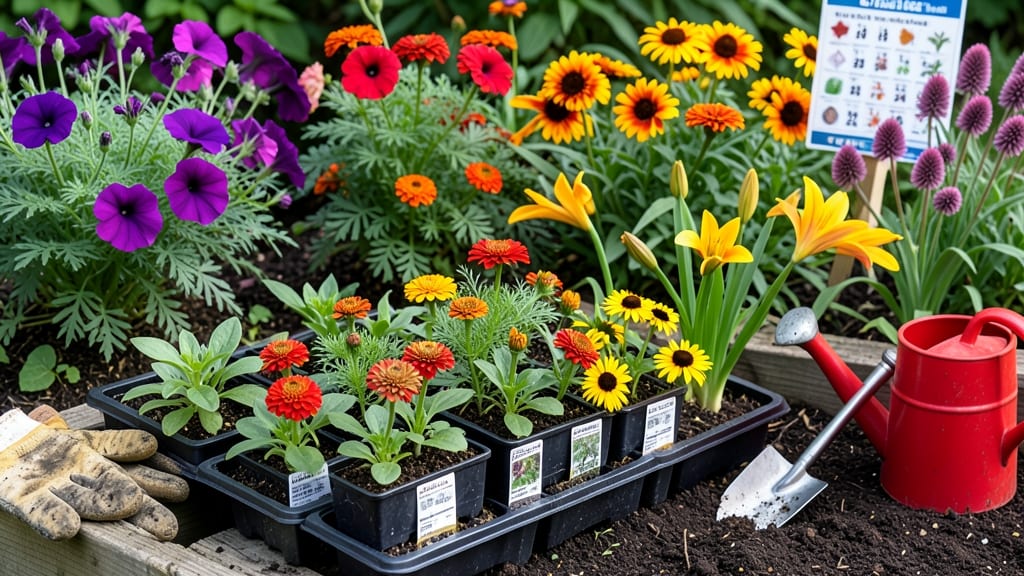
Planting flowers in Connecticut at the wrong time can mean the difference between a showstopping garden and a sad, frost-nibbled disappointment. With Zone 5b-6b winters and unpredictable frost dates, timing is everything—especially when your 🌸 blooms depend on it.
You’ve probably heard the generic advice—plant in spring—but Connecticut’s climate demands a smarter approach. The key isn’t just when you plant; it’s understanding the 30-day window before your first frost in fall or the last frost’s sneaky arrival in spring.
Miss it, and your hard work could freeze before it even takes root.
In this guide, I’ll break down the exact months to plant annuals, perennials, and bulbs for your CT garden, plus regional hacks to beat frost. Whether you’re prepping for March or October, you’ll learn how to time it right—no guesswork, just vibrant blooms all season.
Ready to turn your garden into a frost-proof paradise? Let’s get started with the step-by-step timeline that actually works for Connecticut’s tricky weather.
Connecticut’s frost dates & ideal flower planting windows by season
Connecticut’s USDA Zones 5b-6b mean frost can strike anytime between mid-April and early May in spring, or mid-October in fall. Timing your plantings around these dates is the key to avoiding frost damage and ensuring vibrant blooms. Let’s break down the perfect windows for planting flowers in CT.
For spring planting, aim to get cool-season flowers in the ground 4-6 weeks before your last frost date. In CT, this typically means starting in late March to early April. Warm-season flowers, however, need to wait until after the last frost, usually mid-May.
Fall planting is equally critical—plant bulbs and perennials 6-8 weeks before the first frost, which often lands in early to mid-October.
Here’s a quick reference for Connecticut’s frost-free growing season: about 150-180 days between the last and first frost. This window is perfect for planning your planting schedule and ensuring your flowers have enough time to establish roots and bloom.
Understanding these frost dates helps you avoid the heartbreak of frost-killed seedlings or winter-damaged perennials. For example, if you plant tulip bulbs in early October, they’ll have time to root before the ground freezes, ensuring stunning spring blooms.
Now, let’s dive into the specifics with a seasonal planting timeline tailored for Connecticut’s climate. This table will help you visualize the ideal planting windows for different flower types and their frost tolerance levels.
Notice how fall planting gives flowers like tulips and pansies a head start on next year’s blooms. By planting bulbs in early September, they’ll establish roots before the ground freezes, ensuring robust growth in spring.
For spring-planted annuals, the timing is equally critical. Planting cool-season flowers like pansies in late March gives them enough time to mature before summer heat sets in. Conversely, warm-season flowers like marigolds need to wait until mid-May when the soil has warmed up.
Connecticut’s microclimates also play a role. Coastal areas like New London tend to have milder winters and later frosts, while inland areas like Hartford can experience earlier frosts. Adjust your planting schedule accordingly—coastal gardeners might push spring planting a week later, while inland gardeners should err on the earlier side.
One final tip: always check your local last frost date using resources like the CT Agricultural Experiment Station or your local Cooperative Extension office. These dates can vary slightly year to year, so flexibility is key to frost-proofing your garden.
By following this seasonal planting guide, you’ll maximize your flowers’ potential and enjoy a vibrant garden from spring through fall—no frost failures allowed! 🌸
Best flowers to plant in Connecticut spring vs. fall (with frost resistance ratings)
Choosing the right flowers for Connecticut’s climate isn’t just about aesthetics—it’s about survival. Cold-hardy varieties thrive in Zone 5b-6b, while tender annuals need precise timing. I’ve curated a list of top performers, categorized by planting season, with frost resistance ratings to help you pick winners.
Spring plantings should focus on cool-season flowers that tolerate light frosts, while fall plantings benefit from hardy perennials that establish roots before winter. The key? Matching your flowers to Connecticut’s 30-day frost window—plant too early, and they’ll bolt; too late, and they’ll freeze.
Spring Planting Stars (March–May): These flowers handle Connecticut’s late frosts with ease. Pansies (rating: 5) and snapdragons (rating: 4) are my go-tos—they bloom early and rebound after light freezes. For sun-loving perennials, cone flowers (rating: 4) and black-eyed Susans (rating: 4) establish roots quickly and return year after year.
Fall Planting Winners (September–October): Perennials like asters (rating: 5) and sedum (rating: 4) thrive when planted 6 weeks before your first frost. Bulbs such as tulips (rating: 4) and daffodils (rating: 5) need chilly soil to bloom spectacularly next spring—plant them in October for a head start.
Avoid frost-sensitive tender annuals like marigolds (rating: 2) or petunias (rating: 1) unless you’re planting them after your last frost date. For a foolproof garden, stick to Zone 5b-6b hardies—your blooms (and wallet) will thank you.