
Flowers
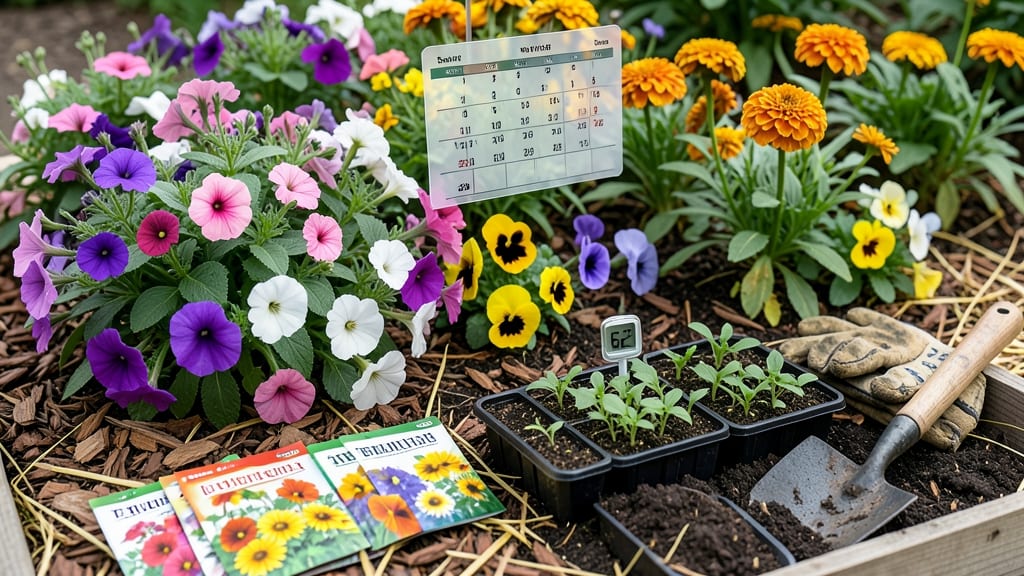
Timing your flowers planting in Zone 7 can mean the difference between a showstopping garden and a sad, wilted disappointment. Whether you're dreaming of vibrant annuals or hardy perennials, getting the schedule right ensures your 🌸 blooms thrive all season long.
Zone 7 gardeners face a tricky balance—plant too early, and frost zaps your progress; wait too long, and you miss peak flowering. The key is understanding your local frost dates and adjusting for microclimates.
I’ll break down the perfect windows for spring and fall planting so you can avoid common mistakes and maximize your garden’s potential.
From preparing your soil in late winter to nurturing seedlings in early spring, every step counts. You’ll discover how to time your plantings for zero frost risk while aligning with your flowers’ natural growth cycles. Let’s make sure your garden doesn’t just survive the seasons—it thrives.
Ready to transform your yard into a blooming paradise? I’ll walk you through everything from soil prep to post-planting care, so you can enjoy a garden that’s as perfect as it is picturesque. Let’s get started!

Zone 7 frost dates and flower planting windows by type
Understanding your Zone 7 frost dates is the first step to planting flowers successfully. In most of Zone 7, the average last frost date falls around April 15, while the first frost typically arrives on October 15.
However, these dates can shift 1-2 weeks earlier or later depending on your exact location within the zone.
Zone 7 spans diverse regions like the Appalachian Mountains (cooler microclimates) to the Piedmont (warmer areas), so always check your local frost-free days (about 180 days in Zone 7).
This variability means your planting windows should be adjusted based on whether you're in a northern or southern part of the zone.
For annual flowers, the ideal planting window begins 2-4 weeks after your last frost date. This gives tender seedlings time to establish roots before summer heat sets in.
Meanwhile, perennials and bulbs often thrive when planted in early fall (August-September) or early spring (March-April) to take advantage of cooler soil temperatures.
| Flower Type | Best Planting Window | Soil Temp Requirement | Notes |
|---|---|---|---|
| Annuals (e.g., Marigolds, Petunias) | April 15 - May 31 | 50°F+ (10°C+) | Start indoors 6-8 weeks before last frost |
| Perennials (e.g., Daylilies, Coneflowers) | March 1 - April 15 OR August 15 - September 30 | 40°F+ (5°C+) | Fall planting encourages root growth before winter |
| Bulbs (e.g., Tulips, Daffodils) | September 1 - October 15 | 60°F+ (15°C+) at planting | Plant 6-8 weeks before first frost for spring blooms |
| Tender Annuals (e.g., Impatiens, Begonias) | May 15 - June 15 | 65°F+ (18°C+) | Wait until soil is consistently warm to avoid frost damage |
For cool-season annuals like pansies or snapdragons, you can even plant in late summer (August) for fall and early winter blooms. These hardy varieties tolerate light frosts and add color to your garden when many other flowers have faded.
If you're planting seeds directly in the garden, aim for 4-6 weeks before your last frost date for fast-growing varieties like zinnias or cosmos. Slower growers, such as hollyhocks or delphiniums, need a longer growing season and should be started 8-10 weeks early.
Always test your soil temperature before planting. Use a soil thermometer to ensure it meets the minimum requirements for your flower type. For most annuals, 50°F (10°C) is the sweet spot, while tender perennials like coleus or geraniums need 60°F (15°C) or warmer.
Pro tip: Use row covers or cold frames to extend your planting season by 2-4 weeks in early spring or late fall. This protects young plants from unexpected late frosts and gives you more flexibility in scheduling.
Finally, keep an eye on your local weather forecast in the days leading up to planting. If a late frost warning is issued, delay planting tender varieties until conditions improve. Your gardening journal can help track year-to-year variations in frost dates for better planning.
With these planting windows and soil temperature guidelines, your Zone 7 garden will burst with color and life from spring through fall. Happy planting! 🌷🌸
How to adjust planting times for early vs. late Zone 7 locations
Zone 7 spans a wide range of climates, from the cooler Appalachian Mountains to the warmer Piedmont regions. These microclimates mean your last frost date could vary by 2-4 weeks, throwing off traditional planting schedules.
For example, Asheville’s last frost often hits April 15, while Raleigh typically sees frost-free conditions by March 20. Adjust your timeline based on your local averages.
If you’re in a cooler microclimate (elevations over 2,000 feet), opt for cold-hardy annuals like pansies or snapdragons, which tolerate light frosts. These can go in the ground as early as late February in protected spots.
In warmer areas, tender flowers like geraniums or begonias should wait until mid-April to avoid heat stress.
Use succession planting to extend your blooming season. In cooler areas, plant fast-growing annuals like marigolds every 2-3 weeks from March to June. Warmer zones can stagger fall plantings of cosmos or zinnias from July through September for continuous color.
This strategy ensures you never have bare patches in your garden.
| Factor | Cooler Zone 7 (Appalachian) | Warmer Zone 7 (Piedmont) |
|---|---|---|
| Last Frost Date | April 15 | March 20 |
| Early Planting Window | Late February | Mid-March |
| Heat-Tolerant Varieties | Pansies, Snapdragons | Geraniums, Petunias |
| Frost Protection | Row covers, cold frames | Minimal (use shade cloth) |
For edge cases like unpredictable late frosts, use frost cloth or row covers to protect tender seedlings. In my garden, I’ve saved impatiens and coleus from 28°F dips by covering them with lightweight fabric.
Remove covers during the day to prevent overheating. If frost threatens after planting, consider delaying tender flowers like tropical hibiscus until late May.
Local weather patterns matter more than hardiness zones. Check your local cooperative extension service for 10-year frost averages. In my experience, microclimates near bodies of water or south-facing slopes can be 2-3 weeks warmer than official zone averages.
Use these spots for early plantings of heat-loving flowers like sunflowers or black-eyed Susans.
Don’t forget fall planting adjustments. In cooler areas, plant bulbs like tulips by October 1 to establish roots before winter. Warmer zones can extend fall plantings until November 1 for annuals like calendulas. Always water deeply after planting to encourage root growth before the ground freezes.