
Plants
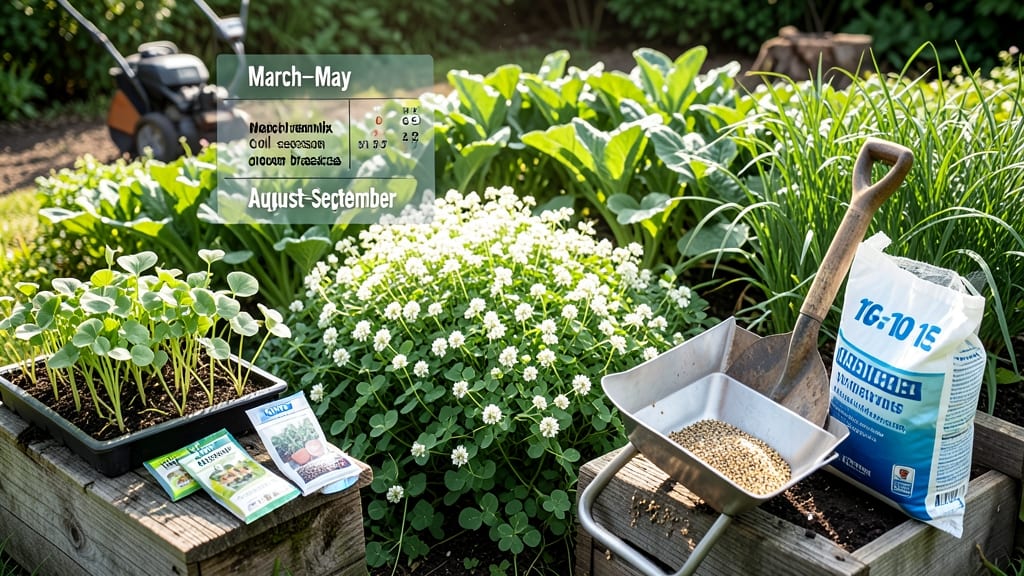
Timing when to plant food plots in Florida could mean the difference between a lush, deer-attracting green carpet and a patch of struggling seedlings that never take off.
Florida’s frost-free climate and year-round growing season might seem like a gardener’s dream, but even here, seasonal shifts can make or break your success.
Most Florida gardeners and hunters know that fall and spring are the sweet spots—but why? It’s not just about avoiding summer’s brutal heat or winter’s rare chills (yes, they happen!).
The real secret lies in soil moisture, pest pressure, and how quickly your plots establish before the next dry spell hits. Get this right, and you’ll have fast-growing forage ready for hunting season in just 30-90 days.
I’ve spent years testing what works in Florida’s 9a-11 zones, from the Panhandle’s cooler mornings to the Peninsula’s steamy afternoons. Whether you’re planting clover for early spring grazing or brassicas for fall, the perfect window isn’t one-size-fits-all.
Let me break down the exact months to plant, the crops that thrive fastest, and how to avoid the three mistakes that kill Florida food plots before they even begin.
Ready to turn your property into a deer magnet? Let’s dive into the timing tricks that’ll have your plots lush, green, and irresistible—no guesswork required.
Florida’s best food plot planting seasons: spring vs fall timing explained
Florida’s humid subtropical climate makes timing your food plot planting critical—one wrong move, and your seeds could rot before sprouting. Unlike northern states, Florida’s frost-free growing season means you can plant year-round, but two windows stand out for success: spring (March–April) and fall (September–October).
These seasons align with soil warmth, rainfall patterns, and deer hunting peaks, ensuring your plots thrive when wildlife needs them most.
Spring planting kicks off when soil temperatures hit 60°F+, typically by mid-March in North Florida and early March in the Panhandle. This timing avoids late-winter droughts while giving crops a head start before summer’s brutal heat.
Fall, however, is often the gold standard—cooler temps slow weed competition, and September showers provide natural irrigation. But rush planting in late October? You risk hurricane season’s winds or even a rare North Florida frost (yes, it happens!).
Regional microclimates add another layer—North Florida’s Panhandle (Zones 8a–9a) can handle earlier spring plantings (February), while South Florida’s Peninsula (Zones 10a–11) may need to delay until April to escape summer’s oppressive heat. Even a 50-mile drive can shift your ideal window by 2–4 weeks, so check your local frost dates (yes, even in Florida!) and USDA Zone.
Now, let’s compare the two seasons side by side—because one size doesn’t fit all when it comes to Florida’s food plots.
| Factor | Spring Planting (March–April) | Fall Planting (September–October) |
|---|---|---|
| Best For | Cool-season crops (clover, brassicas), early deer hunting | Warm-season grasses (sorghum, millet), late-season forage |
| Soil Temp | 60–75°F (ideal for germination) | 70–85°F (warm enough for warm-season crops) |
| Rainfall | Moderate (supplement with irrigation) | High (natural irrigation from hurricanes/rains) |
| Pest Risks | Aphids, cutworms (monitor closely) | Grubs, chinch bugs (soil treatments recommended) |
| Deer Appeal | Peak in May–June (pre-rut) | Peak in November–December (rut season) |
| Establishment Time | 3–4 weeks (cooler temps slow growth) | 2–3 weeks (warmer soils speed germination) |
| Critical Deadline | April 15 (avoid summer heat stress) | October 15 (before hurricane season peaks) |
Spring plantings excel for cool-season crops like clover and turnips, which thrive in Florida’s mild winter temps. But here’s the catch: by May, temperatures can soar to 90°F+, stressing out sensitive plants.
That’s why I always plant spring plots by mid-April—giving them 8–10 weeks to establish before summer’s brutal heat. Plus, spring plots align perfectly with deer’s pre-rut feeding frenzy in May–June, when bucks bulk up for mating season.
Fall, however, is my top recommendation for most Florida gardeners. The September–October window taps into natural rainfall (thanks, hurricane season!) and cooler nights, which reduce fungal diseases like powdery mildew.
Warm-season crops like sorghum and millet shoot up in 2–3 weeks, creating lush forage just as deer prepare for the November rut. Pro tip: If you’re in North Florida, aim for early September to avoid late-summer droughts.
But don’t overlook microclimates—even within Florida, conditions vary wildly. For example, Apalachicola (Zone 8a) can handle February plantings, while Miami (Zone 11) might need to wait until April to avoid summer’s relentless sun.
Always check your local weather patterns—a quick Google search for "your city’s average rainfall"
Florida’s best food plot planting seasons: spring vs fall timing explained
Florida’s climate throws a curveball with its humid subtropical zones, where soil temps and rainfall patterns dictate success. Unlike northern states, you won’t face frost—but hurricane season (June–November) and peak summer heat (May–July) can sabotage your plots if you plant at the wrong time.
Most Florida gardeners swear by two prime windows: late spring (March–April) and fall (September–October). These months offer ideal soil temperatures (65–85°F) and moderate rainfall, reducing the need for constant irrigation.
But timing isn’t one-size-fits-all—North Florida’s cooler microclimates (like USDA Zone 8a) may shift windows by 2–4 weeks compared to the frost-free Peninsula (Zone 10a).
| Season | Best Months | Soil Temp (°F) | Rainfall (in/week) | Key Risks |
|---|---|---|---|---|
| Spring | March–April | 70–80°F | 2–4 inches | Fungal outbreaks (high humidity) |
| Fall | September–October | 75–85°F | 3–5 inches | Hurricane delays (Sept) |
| Avoid | May–July | 90°F+ | 1–2 inches | Seed desiccation, pest surges |
Spring plantings (March–April) let you beat the summer slump, giving crops like clover and brassicas a 3–4 month growing window before heat stress kicks in. Fall is my top pick—it aligns with deer’s rut (October–November) and avoids summer pests.
Just plant 4–6 weeks before your first frost date (even if rare in South Florida, North Florida sees light frosts in January).
Pro tip: Use a soil thermometer—ideal germination temps for most food plot seeds hover around 70–80°F. If your soil runs hotter (common in black plastic-mulched beds), wait until evening to plant to reduce seed stress.
And always test your soil pH—Florida’s sandy soils often sit at 5.5–6.5, but clover thrives at 6.0–7.0.
Regional tweaks matter: In the Panhandle (Zone 8a), aim for late April springs and mid-September falls to dodge erratic rains. On the Peninsula (Zone 10a), stretch fall plantings to November—your winter dry season (Dec–Feb) means less fungal pressure. Just mulch heavily to retain moisture.
Remember, Florida’s no-frost rule is a double-edged sword—perennial crops like white clover won’t die back, but annuals (e.g., turnips, radishes) bolt faster in warm winters. Time your plantings so forage peaks when deer are most active: dawn/dusk in summer, all day in winter.