
Trees
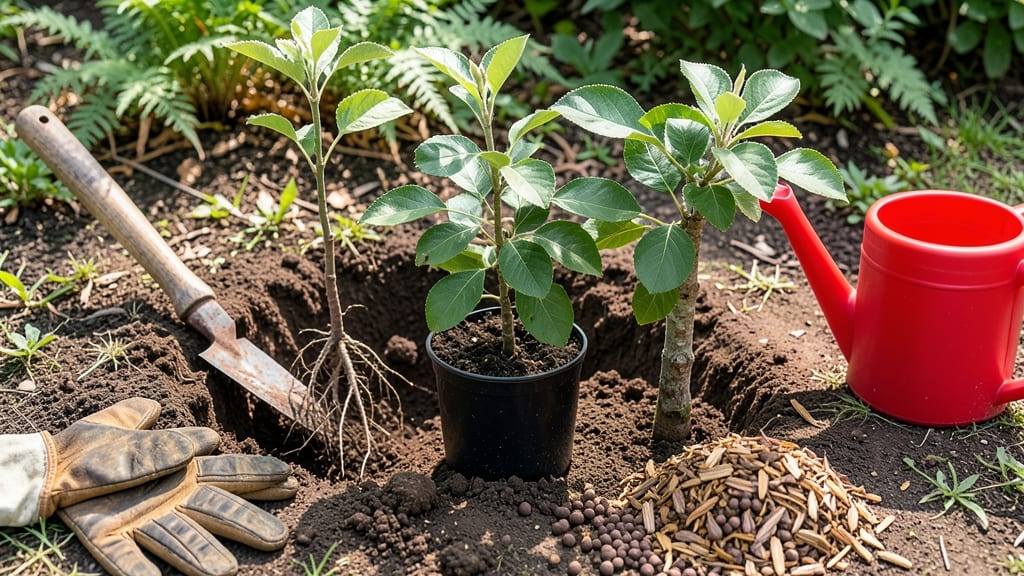
Planting fruit trees in New Zealand at the wrong time could mean struggling saplings—even with the country’s perfect growing conditions. The key lies in understanding regional timing, from the North Island’s milder winters to the South Island’s frost risks.
Whether you’re growing apples 🍎🍐🍒 or citrus, knowing when to plant ensures strong root growth and healthier trees.
Most gardeners in New Zealand plant fruit trees in winter to early spring (June–August) or autumn (March–April), when trees are dormant. This timing helps them establish roots before the busy growing season kicks in.
But regional differences matter—North Island growers have a longer window, while South Island plantings must avoid late frosts.
I’ll break down the best months for each region, plus how to prepare your soil and choose the right varieties. You’ll learn how to time your planting for success, whether you’re a beginner or a seasoned gardener. Let’s get those trees thriving!
Ready to plant? The right timing could mean the difference between a struggling sapling and a fruit-bearing powerhouse. Let’s dive into the details so you can enjoy homegrown harvests for years to come.
Best planting months for fruit trees by New Zealand region
New Zealand’s diverse climate means the best planting months for fruit trees vary dramatically between regions. In the North Island, where winters are milder, planting in late winter to early spring (August–September) gives young trees time to establish roots before summer heat.
Meanwhile, the South Island’s cooler climate favors autumn planting (March–April) to avoid early frosts that can damage tender roots.
Subtropical areas like Northland or Bay of Plenty offer a longer planting window, from February to May, thanks to warmer temperatures and minimal frost risk. But even here, timing matters—planting too late in spring can stress trees as they prepare for dormancy.
The key is to align your planting with your region’s last frost date and rainfall patterns.
For stone fruits (peaches, plums, cherries), aim for late winter (August–September) in most regions, as these trees need cold dormancy to fruit well. Citrus and subtropical varieties, however, thrive when planted in spring (September–November) to capitalize on warmer soils and avoid winter chill.
Here’s a quick regional guide to avoid common mistakes like planting too early (risking frost damage) or too late (delaying root growth). The table below breaks down the optimal planting windows by region, frost risk, and ideal soil temperatures for root establishment.
If you’re in a high-altitude area (e.g., Central Otago), push planting back to late autumn (April–May) to avoid early frosts. Always check your local NIWA (National Institute of Water and Atmospheric Research) frost maps for precise dates—these can shift yearly due to climate variations.
For container-grown trees, you can plant up to two weeks earlier than bare-root trees, as their roots are less vulnerable to cold. Just ensure the container is buried slightly to mimic in-ground temperatures and protect roots from extreme swings.
One common mistake I see is planting citrus trees in winter—their roots are sensitive to cold, and even a light frost can kill them. Instead, wait until spring (September–October) when soil temperatures rise above 12°C.
For apple and pear trees, the opposite is true: plant in winter (June–August) so roots establish before bud break.
Pro tip: Bare-root trees (sold without soil) should always be planted in their dormant season—typically winter to early spring. Container-grown trees, however, are more flexible and can be planted almost year-round, though spring or autumn still gives them the best start.
🌱
Key factors to consider before planting fruit trees
Before you dig that hole, there are critical factors to weigh for successful fruit tree planting in New Zealand. The first is regional climate—North Island’s warmer winters let you plant earlier, while South Island’s frosts demand caution.
Even within regions, microclimates (like coastal vs. inland areas) create localized differences in frost risk and soil moisture.
Next, consider your tree variety. Apples and pears thrive in cooler climates, while citrus and figs need frost-free zones. Check the chill hour requirements—some varieties need 300+ hours below 7°C to fruit properly. For example, Braeburn apples need 500+ chill hours, while lemon trees need none.
Soil type is another game-changer. Most New Zealand fruit trees prefer well-draining, slightly acidic soil (pH 5.5-6.5). Heavy clay soils (common in the South Island) can cause root rot, so amend with compost or sand. Test your soil before planting—many nurseries offer DIY pH test kits for under $20.
| Factor | New Zealand Considerations | Actionable Tip |
|---|---|---|
| Climate Zone | North Island: Warmer winters, longer growing season South Island: Cooler, frost-prone |
Choose varieties suited to your local frost dates (e.g., Gala apples for North Island). |
| Soil Type | North Island: Often sandy or loamy South Island: Heavy clay common |
Amend clay with gypsum or compost; raise beds in waterlogged areas. |
| Chill Hours | North Island: 300-800 hours South Island: 500-1,000+ hours |
Match your tree to local chill hours (check Plant & Food Research data). |
| Frost Risk | North Island: Late frosts (Sept) South Island: Early frosts (April) |
Plant windbreaks or use frost cloths for young trees in high-risk areas. |
| Pollination | Most fruit trees need cross-pollination (e.g., Honeycrisp + Gala) | Plant two compatible varieties or include a pollinator tree nearby. |
Don’t overlook water access—fruit trees need consistent moisture, especially in New Zealand’s dry summers. If your garden has poor drainage, consider raised beds or mounds to prevent root rot.
Also, think about space requirements: standard apple trees need 5-6 meters of space, while dwarf varieties can thrive in 3 meters.
Finally, check local bylaws—some areas restrict large trees near property lines. Once you’ve nailed these factors, you’re ready to plant with confidence. The right prep means your tree will focus on root growth instead of struggling to adapt.
Pro tip: Keep a planting journal to track your tree’s progress—note soil conditions, frost dates, and growth spurts. This helps refine your approach for next year’s plantings!