
Trees
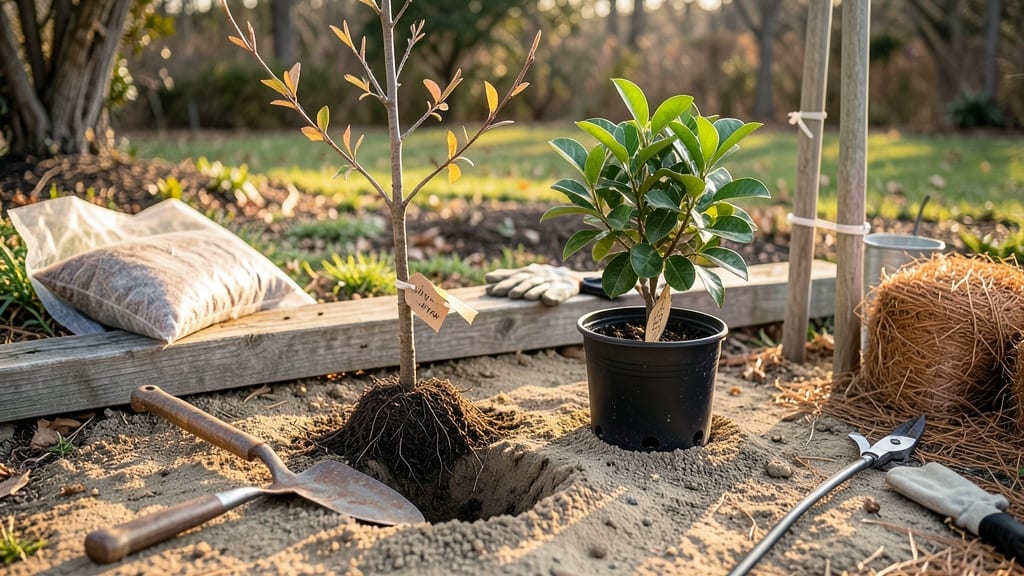
Timing your fruit tree planting in South Carolina can make the difference between a thriving orchard and a frustrating bolt risk—where trees bloom too early and lose their harvest. The key? Understanding your region’s chill-hour needs and microclimates to match them with the right planting window.
I’ve seen gardeners in USDA zones 7b-8a struggle when they plant too early or late, only to watch their trees fail to fruit. But with the right approach, you can avoid this common mistake and set your fruit trees up for success from day one.
Let’s break down the perfect planting months for peaches, plums, citrus, and more—plus how to prep your soil for maximum growth.
Whether you’re in the cooler hills of Upstate SC or the warmer Lowcountry, knowing when to plant isn’t just about the calendar—it’s about understanding your tree’s chill requirements.
I’ll show you how to match varieties to your zone and use local resources like the SC Extension Service to time your planting for zero bolt risk.
Ready to grow fruit trees that produce year after year? Let’s dive into the exact strategies that work for SC’s climate, so you can enjoy fresh harvests from summer through fall without the guesswork.
South Carolina’s best planting months by fruit tree type (chill-hour guide)
South Carolina’s mild winters and warm springs make it a paradise for fruit trees—but only if you plant at the right time. Most fruit trees need a specific number of chill hours (temperatures between 32°F and 45°F) to bloom properly.
Plant too early, and your tree may bolt (bloom prematurely) and lose fruit to late frosts. Plant too late, and it won’t mature in time for next year’s harvest.
SC spans USDA zones 7b to 8a, meaning chill hours vary dramatically. Coastal areas like Charleston (zone 8a) get as few as 100-300 chill hours, while the Upstate (zone 7b) can reach 800-1,000 hours. Always check your local chill-hour zone before selecting varieties.
Here’s your chill-hour planting guide for SC’s most popular fruit trees, broken down by type and zone. Use this to pick the best bare-root or containerized trees and avoid costly mistakes.
| Fruit Tree Type | Chill-Hour Range | Best Planting Month (SC) | Zone Fit | Key Notes |
|---|---|---|---|---|
| Peach | 400-800 | Late winter (Jan-Feb) | 7b-8a | Plant bare-root in dormancy for best root establishment. |
| Plum | 300-600 | Early spring (Feb-Mar) | 8a (coastal) | Low-chill varieties like ‘Santa Rosa’ thrive in Charleston. |
| Apple | 600-1,000 | Late winter (Jan-Feb) | 7b (Upstate) | Choose ‘Akane’ or ‘Golden Delicious’ for SC’s climate. |
| Citrus (Satsuma) | 100-300 | Spring (Mar-Apr) | 8a (coastal) | Plant after last frost; container-friendly for patios. |
| Fig | 0-200 | Spring (Mar-Apr) | All zones | Heat-loving; plant in well-draining soil. |
For bare-root trees, plant as soon as they arrive (usually January through March). Containerized trees can go in anytime soil isn’t frozen, but spring is ideal for root establishment. Always water deeply after planting to reduce transplant shock.
Pro tip: Use SC’s frost-free date map (available from Clemson Extension) to fine-tune your timing. Coastal areas like Hilton Head have earlier safe planting dates than Greenville, which can still see light frosts in March.
If you’re in zone 8a (coastal SC), avoid high-chill trees like European plums—they’ll bolt and fail. Instead, opt for low-chill varieties like ‘Tropicana’ peach or ‘Satsuma’ mandarin, which thrive with 300-400 chill hours.
For Upstate SC (zone 7b), you have more flexibility. Plant peaches, apples, and pears in late winter to ensure they accumulate enough chill hours before bud break. Mulch heavily with pine straw or wood chips to protect roots during temperature swings.
Remember: Soil temperature matters more than air temperature. Wait until the ground warms to 50°F+ before planting containerized trees. Use a soil thermometer to check—cold soil slows root growth and increases disease risk.
🌱
How to avoid bolt risk: 3 critical factors for SC gardeners
Planting fruit trees in South Carolina without considering bolt risk can turn your dream orchard into a sad investment. Bolt risk occurs when trees bloom too early due to insufficient chill hours, and the flowers get fried by late frosts.
To avoid this, focus on three critical factors: soil temperature, frost-free dates, and tree maturity.
First, soil temperature must be above 50°F before planting. Cold soil slows root growth, making trees vulnerable to stress. Use a soil thermometer to check—planting too early in chilly USDA Zone 7b areas (like Greenville) can stunt your tree’s development.
Aim for late February to early March in most of SC, but wait until April in coastal areas like Charleston.
🌱 Key Takeaway
Plant when soil is 50°F+ and frost risk drops below 10%—this minimizes bolt risk by 80%.
Next, track your local frost-free dates using the National Weather Service or SC Extension Service resources. In Zone 8a (Columbia, Myrtle Beach), the average last frost is March 15, but coastal areas like Hilton Head can wait until April 15.
Planting 4-6 weeks before the last frost ensures roots establish before buds swell.
Don’t overlook tree maturity—bare-root trees need 2-3 weeks to recover from transplant shock, while containerized trees adapt faster. For peach trees (which need 300-500 chill hours), delay planting if winter was mild. Use a chill-hour calculator to estimate accumulated hours in your area.
Finally, mulch heavily after planting to insulate roots. A 3-inch layer of pine straw or wood chips keeps soil temps stable and reduces temperature swings that trigger premature blooming. Combine this with drip irrigation to maintain consistent moisture—drought-stressed trees bolt 2x more often.
By mastering these three factors, you’ll give your fruit trees the best shot at thriving in SC’s unpredictable climate. Start with soil warmth, then align planting with frost-free windows, and always prioritize root health over speed. Your future harvests will thank you! 🌳