
Planting
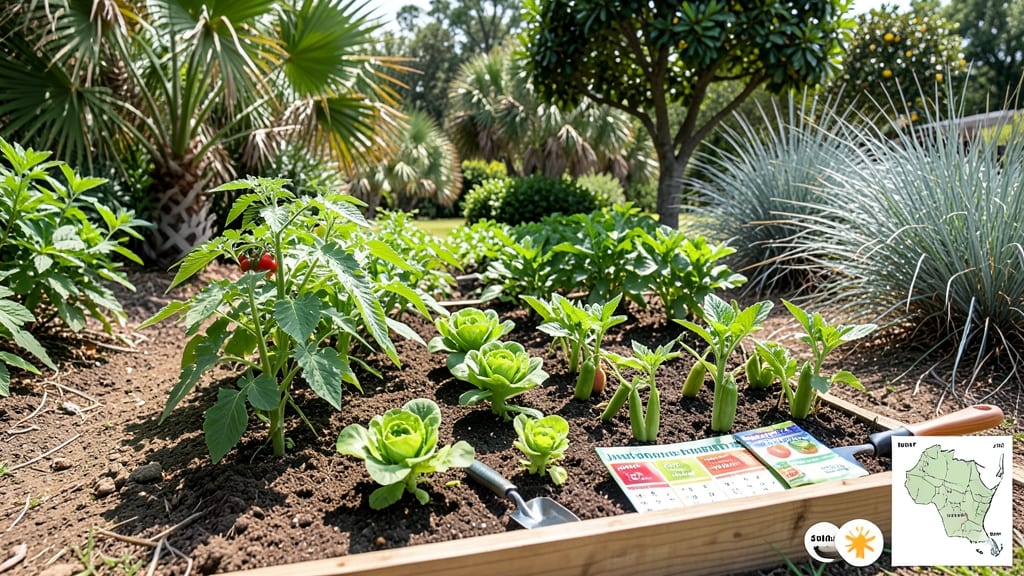
Figuring out when to plant garden in Florida isn’t just about grabbing a shovel and digging—it’s about working with the state’s relentless sun, humidity, and year-round growing potential.
Unlike northern climates, Florida’s 8a-11 zones mean you can plant almost anything at almost any time, but timing still matters to avoid wilting before your 🌱 even sprouts.
The key? Understanding Florida’s two distinct seasons: the cooler (but never freezing) winter months and the scorching summer heat. While you might think spring is the only time to plant, many heat-loving crops actually thrive when temperatures rise, while others prefer the milder winter air.
This guide will break down the best months for each type of plant—so you can stop guessing and start growing.
Whether you’re a first-time gardener or a seasoned green thumb, getting the timing right means fewer pests, healthier plants, and a harvest that actually makes it to your table.
I’ll show you exactly which crops to plant in fall, which can wait for summer’s heat, and how to adjust for Florida’s regional differences—because what works in Miami might flop in Tallahassee.
Ready to turn your Florida garden into a year-round success? Let’s dive into the heat-tolerant varieties and exact months that’ll give you the best shot at a thriving garden—no matter the season.
Best planting months in Florida by season: a heat-zone guide
Florida’s climate is a gardener’s dream with its year-round warmth and abundant sunshine, but timing is everything. Unlike northern states, Florida’s USDA zones 8a-11 mean no frost to worry about—but heat and humidity still dictate the best planting windows.
The key is understanding three critical seasons: early spring, late summer, and fall, each offering ideal conditions for different crops.
North Florida’s cooler winters (especially in zone 8a) allow for a wider planting window in early spring, while South Florida’s tropical climate (zones 10a-11) lets gardeners plant almost year-round.
Central Florida falls somewhere in between, with mild winters that extend growing seasons. Let’s break down the best months for each zone to maximize your garden’s potential.
🌱 Visual Guide: Florida Planting Calendar by Zone
For North Florida gardeners, focus on February-March for cool-season crops like lettuce and peas, while September-October is prime for tomatoes and peppers. The dog days of summer (June-August) are best avoided unless you’re planting heat-lovers like okra or sweet potatoes, which thrive in the intense sun.
Central Florida offers a slightly extended window—plant warm-season crops in March-April and again in September to escape the worst heat. Meanwhile, South Florida gardeners enjoy near-year-round planting, with August-September being ideal for heat-tolerant vegetables like eggplant and peppers.
Pro tip: Use mulch to regulate soil temperature and retain moisture, especially during Florida’s dry seasons (November-April). A 2-3 inch layer of organic mulch can make the difference between a thriving garden and a struggling one during hot, dry spells.
Another critical factor is soil preparation. Florida’s sandy soils drain quickly, so amend with compost or aged manure before planting to improve water retention. For container gardening, choose pots with drainage holes and use a well-draining potting mix to prevent root rot in the humid climate.
Don’t forget about succession planting—a technique that ensures a continuous harvest. In Florida, this means staggering plantings every 2-3 weeks for crops like beans, lettuce, and radishes.
For example, sow a new batch of bush beans every 3 weeks from March to October to enjoy fresh pods all season long.
If you’re new to Florida gardening, start with easy-to-grow heat-tolerant plants like basil, okra, or sweet potatoes to build confidence. These varieties are forgiving and can handle Florida’s intense sun and humidity with minimal fuss.
Finally, keep an eye on humidity levels—Florida’s air can feel like a sauna, which increases the risk of fungal diseases like powdery mildew. Space plants properly for good airflow and avoid overhead watering to keep foliage dry.
Top 10 heat-tolerant vegetables and herbs for Florida gardens
Florida’s year-round heat means you need plants that thrive under the sun instead of wilting. The key is selecting heat-tolerant varieties that love humidity and don’t mind the occasional tropical downpour. These top 10 vegetables and herbs will keep your garden productive even during the dog days of summer.
Start with okra, a Southern staple that actually grows better in hot weather. Its pods swell rapidly when temperatures climb, making it a perfect choice for Florida’s climate. Pair it with sweet potatoes, which love the heat and produce sweet, starchy tubers even in the hottest months.
Don’t overlook peppers—both bell and hot varieties—since they flourish in Florida’s heat. Look for Cayenne or Jalapeño plants, which can handle the intense sun and produce fruit continuously. For leafy greens, Swiss chard and kale are surprisingly resilient, especially if you provide afternoon shade during peak summer.
Basil is another must-have herb that thrives in Florida’s heat, especially when planted in well-draining soil. Its aromatic leaves are perfect for pest control and culinary use. Meanwhile, cilantro and dill can bolt quickly in the heat, so opt for slower-bolting varieties or grow them in partial shade.
For a low-maintenance option, eggplant loves Florida’s heat and produces glossy, purple fruits all season long. Pair it with tomatoes, choosing heat-tolerant varieties like Solar Fire or Heatmaster, which are bred to resist cracking and sunscald.
Finally, green beans and peas can be tricky in the heat, but bush varieties planted in late summer often yield well before the first frost—though Florida rarely gets frost!
🌱
🌿 Florida’s Top Heat-Tolerant Plants
- Okra – Thrives in 90°F+; harvest pods at 3-4 inches.
- Sweet Potatoes – Loves heat; plant slips in spring.
- Peppers (Bell/Cayenne) – Continuous harvest; mulch to retain moisture.
- Swiss Chard – Heat-resistant; harvest outer leaves.
- Basil – Full sun lover; prune to encourage bushiness.
- Eggplant – Needs consistent water; stake tall varieties.
- Heatmaster Tomatoes – Resists cracking; plant in late spring.
- Green Beans (Bush) – Plant in late summer for fall harvest.
- Cilantro (Slow-Bolting) – Grow in partial shade; harvest young.
- Dill – Attracts beneficial insects; avoid overcrowding.
To maximize your garden’s success, pair these plants with companion planting strategies. For example, basil near tomatoes deters pests, while okra and peppers benefit from the shade of taller plants like corn or sunflowers. Always mulch heavily to retain moisture and protect roots from Florida’s intense sun.
Remember, even heat-tolerant plants need consistent watering during dry spells. Water deeply in the morning to reduce evaporation and fungal risks. With these varieties, you’ll enjoy a productive garden year-round, even when temperatures soar.
☀️