
Plants
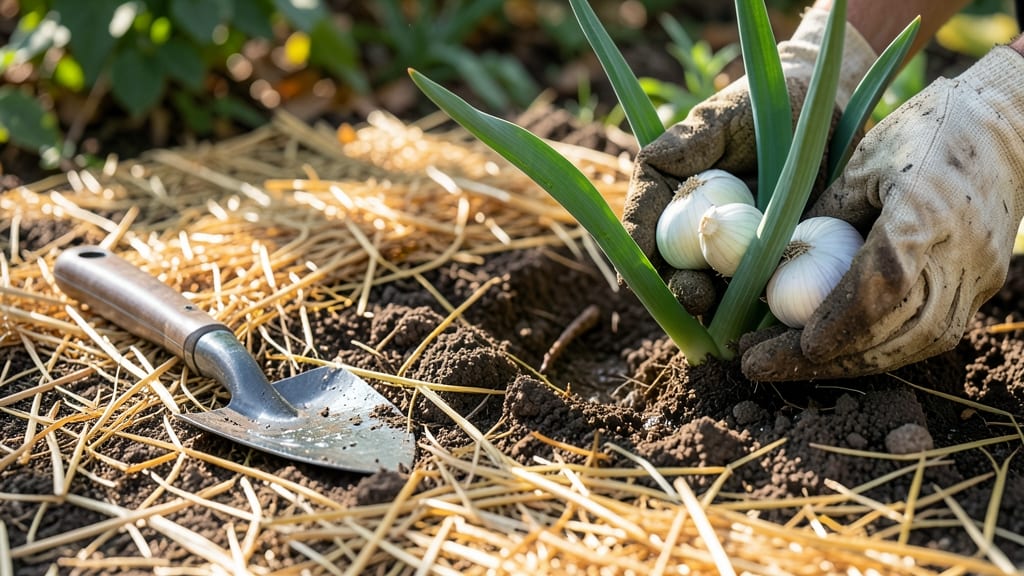
Timing your garlic planting in Delaware could mean the difference between a bumper crop of 🧄 and a disappointing harvest. With Delaware’s USDA Zone 7a climate, planting too early risks premature sprouting, while waiting too long leaves your cloves vulnerable before winter sets in.
Most Delaware gardeners swear by fall planting between October and November, when soil temperatures drop and frost is just around the corner. This window gives garlic roots time to establish before the ground freezes, setting the stage for robust bulb development by next summer.
But here’s the catch: your exact planting date depends on local microclimates and weather patterns. We’ll break down the ideal 4-6 week window, how to adjust for early/late frosts, and which hardneck varieties thrive best in Delaware’s conditions.
Whether you’re a first-time grower or a seasoned gardener, mastering this timing will help you grow garlic that’s larger, more flavorful, and ready to harvest by late June or July. Let’s get your garlic in the ground at the perfect moment.
Optimal fall planting dates for Delaware garlic growers
Delaware’s USDA Zone 7a climate offers ideal conditions for growing hardneck garlic, but precise timing is everything. The 6-week window between mid-October and early November ensures your cloves establish roots before the ground freezes.
This timing aligns with Delaware’s average first frost date of November 15, giving your garlic enough time to develop a strong root system.
For best results, aim to plant your garlic cloves when soil temperatures drop to 40-50°F. This typically occurs in Delaware between October 15 and November 1. If you plant too early, cloves may sprout prematurely, while planting too late risks insufficient root growth before winter sets in.
Delaware’s moderate coastal influence can create microclimates. Inland areas like New Castle County tend to experience earlier frosts, while coastal regions like Sussex County may stay warmer longer. Adjust your planting date by 1-2 weeks based on your specific location within the state.
Here’s a quick reference for Delaware’s ideal garlic planting timeline:
| Stage | Action | Delaware Timeline |
|---|---|---|
| Soil Prep | Loosen soil, add compost | Mid-September |
| Planting Window | Plant cloves 4" deep | Mid-October to November 1 |
| Frost Protection | Apply 4" mulch | Late November |
| Spring Growth | Remove mulch, fertilize lightly | Early April |
| Harvest Ready | Lower leaves brown | Late June - Early July |
Delaware’s cooler maritime climate means your garlic will benefit from the long, cold winters needed for bulb development. Unlike warmer regions, you don’t need to worry about garlic bolting (sending up a flower stalk) in Delaware, as the cold winters naturally prevent this.
If you’re unsure about your local frost dates, check the National Weather Service for your specific Delaware county. For most gardeners, planting between October 20 and October 31 strikes the perfect balance between warm enough soil for root establishment and cold enough air to prevent early sprouting.
Pro tip: Break your garlic bulbs into individual cloves just before planting. This ensures each clove has the energy to grow its own bulb. Plant the pointy end up, about 2 inches deep, with 4-6 inches between cloves in rows spaced 12 inches apart.
Once planted, cover your garlic bed with straw or leaves to protect it from winter temperature swings. This mulch layer also helps suppress weeds and retain moisture during Delaware’s occasional winter thaws.
Remember, the key to successful garlic growing in Delaware is planting at the right time—not too early, not too late. With the right timing and a little preparation, you’ll be harvesting bold, flavorful garlic bulbs by next summer.
Optimal fall planting dates for Delaware garlic growers
Delaware’s USDA Zone 7a climate gives you a 4-6 week window for planting garlic each fall. The goal is to plant 4-6 weeks before the ground freezes—typically between mid-October and early November.
This timing ensures your cloves establish roots before winter dormancy but avoids premature sprouting from warm autumns.
For most of Delaware, aim for October 15 to November 1. Check your local frost dates: the average first frost hits around November 15, but microclimates (like coastal areas) may shift this by a week or two.
Planting too early risks pre-sprouting, while late planting may leave roots underdeveloped before frost.
🌱 Delaware Garlic Planting Timeline
| Stage | Action | Notes |
|---|---|---|
| Soil Prep | Test pH (6.0-7.0) | Add compost for drainage |
| Planting Window | Mid-October to Nov 1 | Avoid wet soil |
| Depth | 2 inches, pointy end up | Spacing: 6 inches apart |
| Mulch | 4-6 inches straw | Apply after frost |
Northern Delaware (near Wilmington) can plant slightly earlier—late September to mid-October—due to cooler temperatures. Southern Delaware (near Dover) may extend planting until early November to accommodate warmer microclimates. Always check 7-day soil temperatures; aim for 40-50°F at planting.
Use a soil thermometer to confirm readiness. If temperatures drop below 40°F, delay planting until conditions stabilize. Coastal areas often experience delayed frosts, so adjust your timeline accordingly. For example, Rehoboth Beach gardeners might plant until November 10 safely.
Pro tip: Plant a test row 2 weeks before your target date. If cloves sprout before frost, you’ve planted too early. If roots haven’t formed by December 1, you’ve waited too long. This simple test refines your ideal window for future years.
Once planted, garlic thrives under Delaware’s winter chill. The cold period hardens the bulbs, ensuring larger yields. Just remember: no fertilizer after planting—your garlic needs to focus on root growth, not foliage, during dormancy.