
Plants
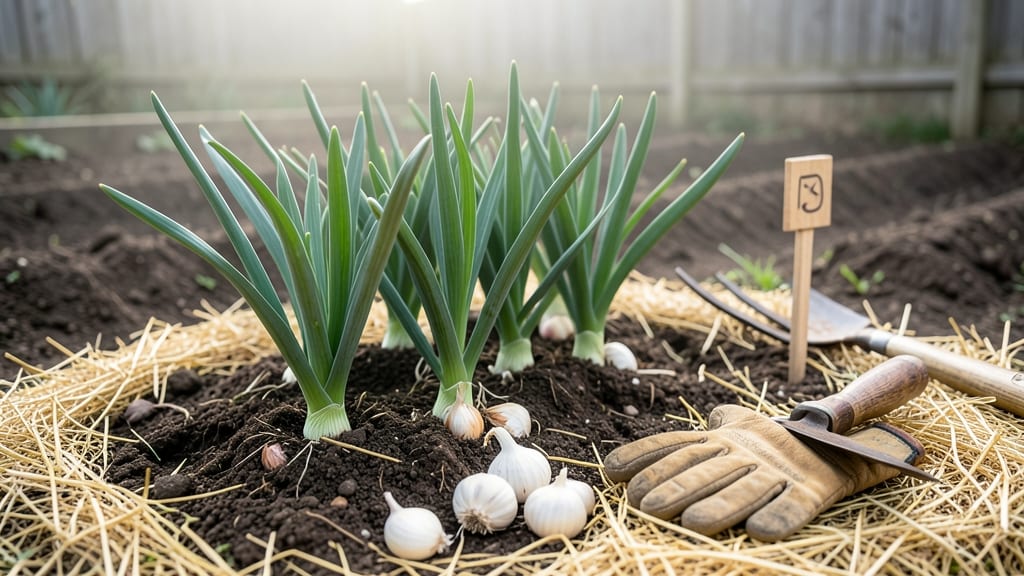
If you're wondering when to plant garlic in Ohio spring, timing is the secret to avoiding wasted effort and bolting plants. Ohio’s Zone 6a climate means you’ve got a narrow window—plant too early, and your 🧄 might bolt; too late, and you’ll miss the harvest.
Most gardeners swear by fall planting, but spring is your backup plan when fall slips by. The key is to plant 4-6 weeks before your last frost date—typically by early March in Ohio. This gives your cloves time to root before the growing season kicks into high gear.
But here’s the catch: soil temperature matters just as much as calendar dates. Wait until the ground warms to 40°F—a simple thermometer check prevents stunted growth. Cold-hardy varieties like 'German White' or 'Music' thrive in Ohio’s unpredictable springs, but even they need the right conditions.
I’ll walk you through exactly how to time your planting, prep your soil, and spot early warning signs—so you can grow garlic that’s plump, flavorful, and ready by July. Let’s get those cloves in the ground the right way.
Best Ohio spring planting dates for garlic by variety & hardiness Zones
Ohio’s USDA Zones 5-6 create the perfect climate for growing cold-hardy garlic varieties, but timing is critical. Most gardeners in Ohio plant garlic in fall (October) for a robust harvest, but spring planting is possible if you follow the right schedule.
The key is planting 4-6 weeks before your last spring frost—typically by March 15 in most of Ohio.
Garlic planted in spring needs 120-160 days to mature, so late spring plantings may not yield fully developed bulbs. For Ohio, March is ideal for spring planting, while April plantings risk smaller bulbs or poor development.
Hardneck varieties like ‘Music’ or ‘German White’ thrive in Ohio’s climate and are best suited for spring planting.
Softneck varieties, like ‘Artichoke’, can also be planted in spring but may not store as long as fall-planted garlic. If you miss the fall window, don’t panic—spring planting still yields edible scapes and flavorful cloves, just with slightly smaller bulbs.
The goal is to get cloves in the ground before soil temperatures rise above 50°F.
🌱 Ohio Garlic Planting Timeline by Variety
| Variety Type | Best Spring Planting Window | Days to Maturity | Ohio-Specific Notes |
|---|---|---|---|
| Hardneck (e.g., 'Music', 'German White') | March 1–15 | 120–160 days | Best for Ohio; produces scapes |
| Softneck (e.g., 'Artichoke', 'Silverskin') | March 15–April 1 | 140–180 days | Longer storage but smaller bulbs |
| Elephant Garlic (e.g., 'Inchelium Red') | March 1–March 10 | 150–180 days | Mild flavor; plant early for best results |
To determine your last spring frost date, check the Ohio State University Extension frost maps or use the USDA Plant Hardiness Zone Map. Most of Ohio falls in Zones 5b-6a, with the last frost typically around April 15.
For spring planting, aim to plant garlic 6-8 weeks before this date to ensure bulbs have enough time to mature.
If you’re planting in late March, use hardneck varieties for faster maturation. These varieties also produce scape shoots, which you can harvest in early summer for extra flavor. Softneck varieties, while slower to mature, store longer and are ideal if you prefer milder garlic.
Always choose certified disease-free bulbs from reputable suppliers like Johnny’s Selected Seeds or Baker Creek Heirloom Seeds.
For gardeners in northern Ohio (Zones 5a-5b), plant garlic as early as late February if soil is workable. In southern Ohio (Zones 6a-6b), you can extend planting to early April, but bulbs may be smaller.
Always monitor soil temperatures—garlic cloves should be planted in soil that’s 40-50°F for optimal growth.
One common mistake Ohio gardeners make is planting garlic too deep or too shallow. Cloves should be planted 2 inches deep with the pointy end up and 4 inches apart in rows spaced 6-8 inches apart.
This spacing ensures proper airflow and reduces the risk of fungal diseases like white rot, which thrives in Ohio’s humid climate.
After planting, apply a 2-3 inch layer of mulch (straw or leaves work well) to retain moisture and regulate soil temperature. This is especially important in Ohio’s variable spring weather, where sudden temperature swings can stress young garlic plants.
Mulch also helps suppress weeds, giving your garlic a competitive edge.
Remember, garlic planted in spring will mature 4-6 weeks later than fall-planted garlic. If you’re aiming for a July harvest, prioritize early March plantings. For a late June harvest, you can push planting to early April, but expect smaller bulbs. The trade-off? Fresh garlic for summer cooking!
How to prepare Ohio soil & plant garlic for maximum yield
Spring planting in Ohio requires well-draining, nutrient-rich soil to prevent rot and encourage bulb formation. Start by testing your soil’s pH (6.0–7.0 is ideal)—Ohio’s clay-heavy soils often need amendments like compost or aged manure to loosen texture and improve aeration.
Before planting, till in 2–3 inches of compost or well-rotted leaves to boost organic matter. Avoid fresh manure, which can burn cloves. If your soil is compacted, mix in coarse sand or perlite to help roots penetrate easily.
Garlic cloves need 6+ hours of full sun daily, so choose a spot with minimal shade from trees or fences. In Ohio’s Zone 6a, late frosts can linger into April—select a sheltered area if possible to protect young shoots.
🌱 Step-by-Step Soil Prep & Planting Guide
- Test soil pH (aim for 6.0–7.0) using a home kit or send a sample to Ohio State University Extension for analysis.
- Loosen soil 12 inches deep with a broadfork or tiller, breaking up compacted layers.
- Add compost (2–3 inches) and mix thoroughly to improve drainage and fertility.
- Plant cloves 2 inches deep, pointy end up, 4–6 inches apart in rows 12 inches apart.
- Mulch heavily (4–6 inches) with straw or leaves to retain moisture and regulate soil temperature.
For hardneck varieties (like 'German White' or 'Music'), plant individual cloves since they produce scapes. Softneck varieties (like 'Silverskin') can be planted closer together if you prefer braided garlic. Break bulbs into cloves just before planting—never store them in the fridge, as cold exposure can trigger precocious sprouting.
Water deeply after planting to settle the soil, then maintain 1 inch of water weekly (more in dry spells). Avoid overhead watering to prevent fungal diseases like white rot, which thrives in Ohio’s humid springs. A soaker hose or drip irrigation keeps foliage dry.
After shoots emerge (usually in 2–3 weeks), side-dress with balanced fertilizer (10-10-10) at a rate of 1 tbsp per 10 sq ft. Stop fertilizing in June to encourage bulb maturation. Monitor for bolting (flower stalks)—if scapes appear, snip them to redirect energy to bulb growth.