
Plants
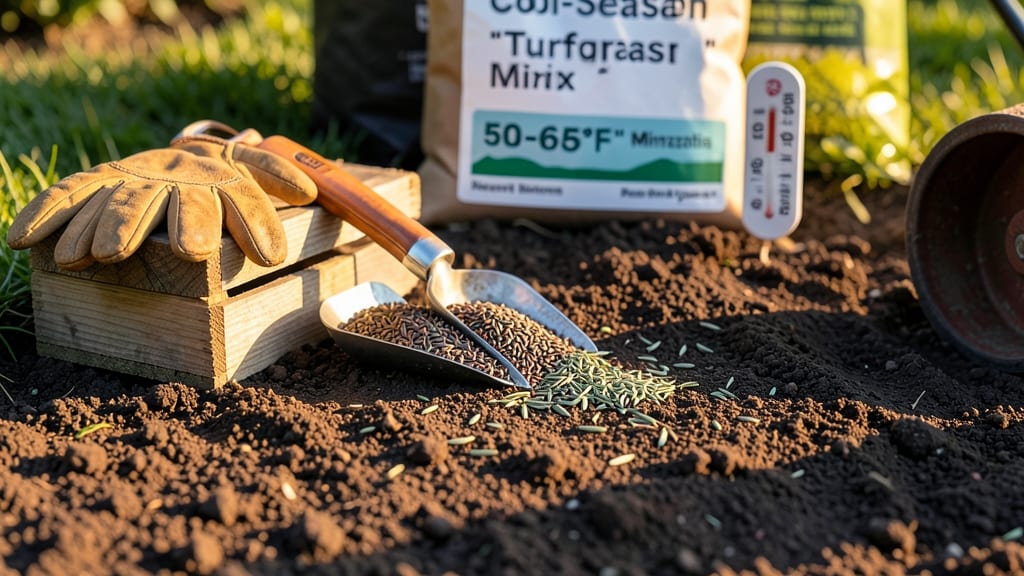
Planting grass seed in Minnesota at the wrong time can mean wasted effort and a patchy lawn—especially when frost lingers or summer heat arrives too soon.
The key to success lies in understanding your local climate zone and the perfect planting window that gives your grass the best chance to establish roots before winter or drought sets in.
With Minnesota’s USDA zones 3-5, timing is everything. Whether you’re in the Twin Cities or the Iron Range, planting too early risks frost damage, while waiting too late can leave your lawn vulnerable to weeds.
I’ll walk you through the ideal months—early spring and early fall—and how to prepare your soil for maximum germination.
Cold-hardy varieties like Kentucky Bluegrass and Fine Fescue thrive in Minnesota’s short growing season, but even the toughest grass needs the right conditions. Learn how to read your soil, protect new seedlings from unexpected frosts, and keep moisture levels just right for a lush, long-lasting lawn.
Ready to transform your yard? Let’s break down the exact steps, from soil prep to post-planting care, so you can enjoy a vibrant lawn season after season—no matter what Minnesota throws your way.
Minnesota grass seed planting timeline: best months by climate Zone
Timing your grass seed planting in Minnesota is all about working with—not against—the state’s unpredictable frost dates and short growing season. The ideal planting window spans from early spring to late fall, when soil temperatures hover between 50-65°F and frost risks are minimal.
Missing this window can leave your seeds vulnerable to late frosts or summer drought, both of which stifle germination.
Minnesota’s 8 climate zones (ranging from USDA Zone 3 in the north to Zone 5 in the south) experience varying frost-free periods. Northern regions like International Falls may have only 90 frost-free days, while southern areas like Rochester enjoy up to 150 days.
This means your planting schedule should shift based on your location to avoid wasted seeds or stunted growth.
For most of Minnesota, the best months to plant grass seed are April through early May (spring) and September through early October (fall). Spring planting gives seeds time to establish before summer heat, while fall planting allows roots to strengthen before winter dormancy.
However, if you’re in northern Minnesota (Zones 3-4), aim for late April to early June to avoid early snow.
Here’s a quick reference for Minnesota’s frost-free dates by zone, which will help you pinpoint the safest planting windows in your area:
| Climate Zone | Last Frost Date | First Frost Date | Ideal Planting Window |
|---|---|---|---|
| Zone 3 (North) | Mid-May | Late August | Late April–Early June |
| Zone 4 (North-Central) | Early May | Early September | April–Early May or September |
| Zone 5 (South) | Mid-May | Late September | April–Early June or September–October |
If you’re planting in spring, wait until the soil is workable and at least 50°F. A simple trick is to press your hand into the soil for 3-4 seconds—if it feels cool but not frozen, it’s ready.
For fall planting, aim to finish at least 6 weeks before the first frost to allow roots to establish. In southern Minnesota, this could mean planting as late as early October, while northern areas should wrap up by mid-September.
One common mistake is planting too early in spring when soil is still cold or too late in fall when frost is imminent. Both scenarios can leave seeds exposed to extreme temperature swings, leading to poor germination.
To avoid this, check your local Almanac frost dates or use a soil thermometer ($10 at garden centers) to monitor conditions. Pro tip: If you’re unsure, late August to early September is a safe bet for most of Minnesota.
Another critical factor is rainfall timing. Minnesota’s spring showers (April–June) are ideal for germination, but summer droughts (July–August) can dry out seeds before they take root.
If you plant in late summer or fall, ensure your area gets consistent moisture—either from natural rainfall or your irrigation system. A light mulch layer (straw, not wood chips) can help retain moisture and protect seeds from wind erosion.
For northern Minnesota gardeners, consider cold-hardy grass varieties like Fine Fescue or Tall Fescue, which can tolerate soil temps as low as 40°F. These varieties give you a wider planting window and better survival rates in short-season climates.
In contrast, Kentucky Bluegrass (a southern favorite) struggles in Zone 3 and may require extra frost protection like row covers or mulch.
Finally, if you’re overseeding an existing lawn, late summer to early fall (August–September) is your best bet. This timing aligns with your grass’s natural growth cycle, giving new seeds a head start before winter.
Just be sure to mow your lawn short (1–1.5 inches) before seeding to create space for new growth.
🌱
Cold-hardy grass seed varieties for Minnesota’s short growing season
Minnesota’s cool-season climate demands grass seed varieties that thrive in short growing seasons and cold snaps. Choosing the right type ensures your lawn stays green year-round without constant replanting.
The best options for Minnesota include Kentucky Bluegrass, Fine Fescue, and Tall Fescue, each offering unique advantages for our USDA Zones 3-5.
Kentucky Bluegrass is a popular choice because it spreads aggressively, filling in bare spots quickly. It handles foot traffic well and stays green longer into fall, making it ideal for lawns in southern Minnesota.
However, it requires more water and maintenance than other varieties. Fine Fescue, on the other hand, is drought-tolerant and thrives in shadier areas, perfect for northern Minnesota’s cooler, wetter conditions.
Tall Fescue is a hybrid that combines the best traits of both—it’s heat and drought-tolerant while maintaining a dense, lush appearance. This variety is perfect for lawns in central and northern Minnesota where summers can be hot and winters harsh.
For overseeding in fall, I recommend mixing Fine Fescue with Kentucky Bluegrass to balance shade tolerance and green-up speed.
When selecting seed, check the label for cool-season grass blends designed for Minnesota. Avoid warm-season grasses like Bermuda or Zoysia, as they won’t survive our winters.
For northern Minnesota (Zones 3-4), opt for 100% Fine Fescue blends, while southern Minnesota (Zones 4-5) can handle a mix with Kentucky Bluegrass for faster establishment.
After planting, mulch with straw to retain moisture and protect seeds from late spring frosts. Water lightly daily until germination (about 14-21 days), then gradually increase watering to encourage deep root growth.
In northern climates, consider using a winterizer fertilizer in late fall to strengthen roots before the first frost.
For overseeding in fall, aim for late August to early September when soil temperatures drop below 75°F. This timing allows new grass to establish before winter dormancy.
In southern Minnesota, you can extend planting into early October, but avoid planting after the first frost to prevent seed loss.