
Plants
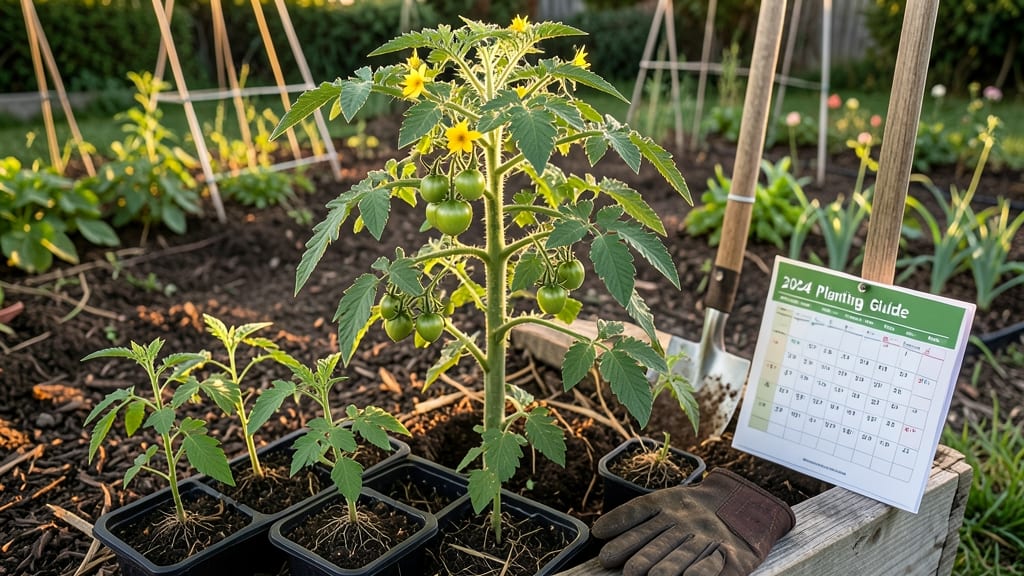
If you're wondering when to plant tomatoes in Ohio, timing is everything—get it wrong, and you might lose your entire crop to frost or miss the sweet spot for a summer-long harvest.
Ohio’s unpredictable spring weather makes this a critical decision, especially when you’re staring at seed packets in early April and wondering if it’s safe to dig in the dirt.
The key is waiting for that last frost date, which typically lands between mid-April and early May in most of Ohio, depending on your specific zone. For Zone 6a (like much of central Ohio), aim for planting between April 15 and May 15—but don’t rush.
Soil needs to warm up to at least 55°F for seeds to germinate properly, and cooler temperatures can stall growth or invite disease.
Here’s the game-changer: starting seeds indoors 6–8 weeks before transplanting gives you a head start, especially if you’re eager to beat the clock. Even if you’re planting directly in the ground, hardening off seedlings (acclimating them to outdoor conditions) is non-negotiable in Ohio’s variable spring weather.
A little patience now means bigger yields and fewer disappointed glances at wilted plants later.
Whether you’re a first-time gardener or a veteran with a few failed attempts under your belt, this guide breaks down Ohio’s frost-free timeline by zone and shares pro tips to extend your growing season. Let’s get those 🍅 thriving!
Ohio’s frost-free planting deadlines by Zone (4-6) for maximum tomato success
Ohio’s last frost dates vary dramatically across USDA Zones 4-6, creating a 3-week window between northern and southern regions. In Zone 4 (northeast Ohio), gardeners typically wait until May 1-15 to plant tomatoes, while Zone 6 (southern Ohio) can start as early as April 15.
This variation means your microclimate matters—urban areas like Columbus often warm faster than rural Appalachian valleys.
Tomatoes are warm-season crops that need soil temperatures above 60°F (15°C) to germinate properly. Using a soil thermometer is my top tip—cold soil delays growth and invites disease.
Ohio’s average last frost hovers around April 15, but historical NOAA data shows late frosts can occur until May 10, especially near Lake Erie.
For direct-sown seeds, aim to plant 2-3 weeks after your last frost date when nighttime temps consistently stay above 50°F (10°C). If you’re starting seeds indoors, begin 6-8 weeks before transplanting (typically late March for Zone 6, early April for Zone 5).
Harden off seedlings for 7-10 days before moving them outside to avoid transplant shock.
Here’s how Ohio’s three main zones break down for tomato planting, including regional adjustments:
| Zone | Last Frost Date (Avg.) | Ideal Planting Window | Soil Temp Threshold | Regional Notes |
|---|---|---|---|---|
| Zone 4 | May 1-10 | May 15-30 | 60°F (15°C) | Northeast Ohio; use row covers for earlier starts. |
| Zone 5 | April 20-May 5 | April 30-May 15 | 60°F (15°C) | Central Ohio; Lake Erie areas may frost later. |
| Zone 6 | April 10-20 | April 15-May 1 | 60°F (15°C) | Southern Ohio; Appalachian areas may delay by 1 week. |
If you’re in Zone 4 and eager to start earlier, consider cold frames or hoop houses to create a microclimate. I’ve had success planting heat-loving varieties like ‘Solar Fire’ under protective covers as early as April 1—just be ready to remove covers if temps spike above 85°F (29°C).
For Zone 6 gardeners, late May plantings can still yield fruit if you choose fast-maturing varieties (e.g., ‘Early Girl’ in 60 days).
Ohio’s first frost typically arrives in mid-October, but early October frosts can sneak in, especially in higher elevations. To maximize your harvest, keep an eye on the NOAA frost prediction map and plan to harvest before temps drop below 50°F (10°C).
Green tomatoes can be ripened indoors—place them in a paper bag with a banana to speed up the process.
For container gardening, Ohio’s shorter season means you’ll need compact, early-maturing varieties like ‘Tiny Tim’ or ‘Patio Princess.’ Containers warm up faster than soil, so you can plant 1-2 weeks earlier than in-ground tomatoes. Just ensure your pots have drainage holes and use lightweight potting mix to prevent cracking.
Pro tip: Succession planting every 2 weeks after your initial date stretches your harvest. I’ve found that late-June plantings of heat-tolerant varieties (e.g., ‘Heatmaster’) produce fruit well into September, even as summer winds down. Pair this with drip irrigation to keep plants consistently moist during Ohio’s humid summers.
Remember, tomato varieties matter—determinate types (like ‘Roma’) ripen all at once and are perfect for early planting, while indeterminate varieties (like ‘Better Boy’) produce continuously and need staking or cages. Choose based on your Ohio zone and desired harvest window.
How to extend Ohio’s tomato growing season: cold frames, row covers, and succession planting
Ohio’s short growing season can feel like a race against time—especially when you’re dreaming of homegrown tomatoes from July through October. But with the right strategies, you can extend your harvest window by weeks, even months. The key? Combining season-extending tools with smart planting techniques tailored to Ohio’s climate quirks.
I’ve tested cold frames, row covers, and succession planting in my own garden, and the results speak for themselves: earlier starts and later harvests without sacrificing plant health.
Whether you’re dealing with late spring frosts near Lake Erie or early fall chills in the Appalachian foothills, these methods give your tomatoes the edge they need to thrive beyond the traditional frost-free window.
Here’s how to push your tomato season to its limits—without breaking the bank or your back. Start with cold frames for a 2–3 week head start, then layer in row covers to protect tender seedlings and late-season plants.
Finally, master succession planting to keep your kitchen stocked with fresh tomatoes all summer long.
- 🔥 Start 6–8 weeks early with cold frames or grow lights to transplant 2 weeks before the last frost date.
- 🛡️ Use row covers for 3–4 weeks after transplanting to shield seedlings from late frosts (down to 28°F).
- 📅 Succession plant every 2 weeks from May through June for a continuous harvest until frost.
- ☀️ Choose heat-tolerant varieties like ‘Celebrity’ or ‘Heatmaster’ for late-season planting (up to July 15).
- 🍅 Harvest before frost by monitoring NOAA forecasts and using black plastic mulch to warm soil for late plants.
Let’s break down each method so you can pick the best fit for your Ohio garden. Cold frames are my go-to for early starts—they create a microclimate that warms soil faster than the surrounding air, giving seedlings a jumpstart.
For example, in Zone 5, I’ve had tomatoes ready for transplant by late April using a simple DIY cold frame, compared to mid-May for unprotected plants.
Row covers are a game-changer for protecting young plants from unexpected frosts. I swear by frost cloth (not to be confused with row covers) for those 28–32°F nights that sneak up in May. The secret? Secure the edges tightly with bricks or soil—a loose cover won’t trap enough heat.
And if you’re in Zone 4, don’t skip this step; even a light frost can set your plants back weeks.
For the ultimate harvest extension, succession planting is non-negotiable. Instead of planting all your tomatoes at once, stagger them every 2 weeks from May through June. This ensures you’re always harvesting ripe tomatoes while new plants mature.
Pro tip: save seeds from your best-performing varieties to plant the second batch—this way, you’re working with plants already adapted to your Ohio microclimate.
Don’t forget to pair these strategies with heat-tolerant varieties for late-season planting. Varieties like ‘Solar Fire’ or ‘Mountain Merit’ thrive in Ohio’s hot July and August heat, giving you a second wind of harvests when other gardens are wilting.
And if you’re feeling ambitious, try black plastic mulch—it warms the soil by 10–15°F, letting you plant later in the season without risking cold soil.