
Plants
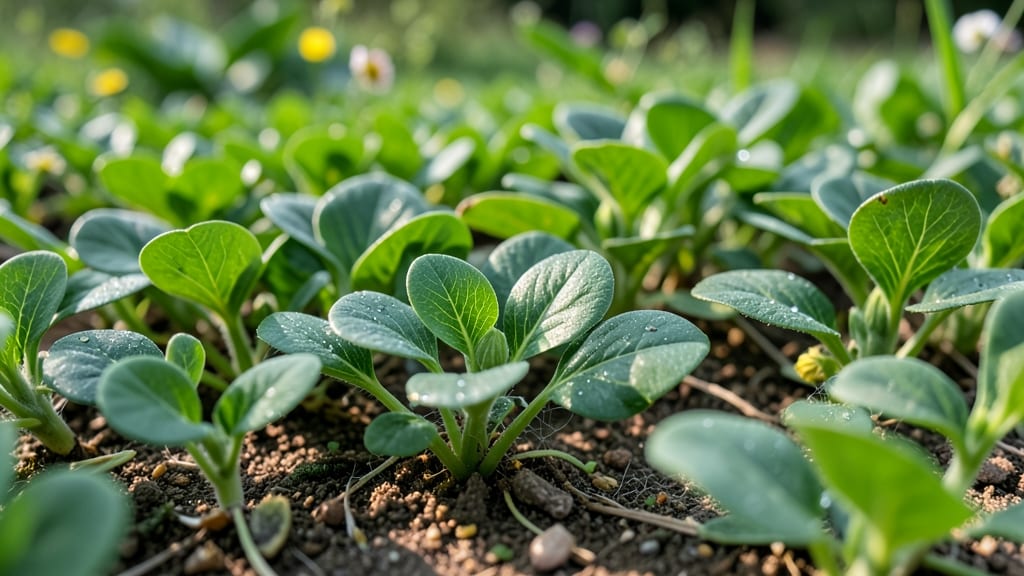
If you're planting food plots for deer in Georgia, timing isn't just important—it's the difference between a lush, deer-magnet plot and a total flop. The wrong schedule means wasted seeds, stunted growth, or worse: bolt risk that ruins your hard work before it even starts.
Georgia's 7b-8b climate gives you two prime windows: late winter to early spring and early summer to early fall. But here's the catch—soil temperature matters more than dates alone. Plant too early, and you risk frost damage; too late, and your plots won't mature before deer season peaks.
I’ve tested these strategies across Georgia’s regions, from the cooler North to the warmer South. Whether you're sowing clover for spring or brassicas for fall, this guide breaks down the exact months to plant—plus soil prep secrets and companion crops that keep deer coming back year-round.
Skip the guesswork and learn how to time your 🌾 food plots for maximum deer attraction, zero wasted effort, and plots that thrive even in Georgia’s unpredictable weather. Let’s get started.
Georgia’s ideal food plot planting timeline by soil temperature (avoid bolt risk)
Timing your food plot planting in Georgia isn’t just about months—it’s about soil temperatures and avoiding the dreaded bolt risk. In Georgia’s USDA Zones 7b-8b, cool-season crops like clover and brassicas need soil temps above 50°F to germinate properly.
Plant too early, and you’ll waste seeds on frost-sensitive crops. Too late, and your plots won’t mature before winter.
Georgia’s frost-free season runs from mid-March to mid-November, but regional differences matter. North Georgia’s last frost often hits by March 15, while South Georgia may see frost as late as February 28. This means your planting window shifts 2-3 weeks earlier in the north versus the south.
For cool-season food plots, aim for late February to early April in North Georgia and early March to mid-April in South Georgia. Warm-season mixes (like sorghum-sudangrass) should go in late May to early July, after the last frost danger has passed.
Soil temperature is your best guide—not the calendar. Use a soil thermometer to confirm temps are 50°F+ for cool-season crops or 65°F+ for warm-season varieties. This prevents poor germination and ensures your plots grow fast enough to attract deer before winter.
| Season | Planting Window | Soil Temp Requirement | Deer Attraction Peak |
|---|---|---|---|
| Early Spring | Late Feb - Early Apr | 50°F+ (cool-season crops) | Fall/Winter (Nov-Feb) |
| Late Summer | Late May - Early July | 65°F+ (warm-season crops) | Late Summer/Fall (Aug-Nov) |
| Fall | Mid-Aug - Early Oct | 60°F+ (cool-season ryegrass) | Winter (Dec-Feb) |
Fall planting is a game-changer for Georgia hunters. Plant ryegrass or winter peas in mid-August to early October to create late-season food when natural forage is scarce. These crops germinate quickly in 60°F+ soil and provide high-protein forage just before the rut and winter.
If you miss the spring window, don’t panic—Georgia’s warm-season mixes (like sorghum-sudangrass) can be planted as late as early July. These fast-growing crops mature in 60-90 days, giving deer a summer-to-fall food source before acorns drop.
Just avoid planting after August 15, or your plots may not mature before frost.
Pro tip: Use cover crops like crimson clover or daikon radish to improve soil health between food plot seasons. Plant these in late summer to break up compacted soil and add organic matter before your next cool-season plot.
Monitor local rainfall patterns—Georgia’s drought-prone summers can stress young plants. If you plant in late spring, prioritize drought-tolerant varieties like chufa or indian grass to ensure survival through dry spells.
Finally, test your soil before planting. Georgia’s clay-heavy soils in the north and sandy soils in the south require different amendments. Aim for a pH of 6.0-7.0 for most food plot crops to maximize deer attraction and plot productivity.
By following this soil-temperature-based timeline, you’ll avoid bolt risk, ensure lush growth, and keep deer feeding in your plots all season long. 🌾
Georgia’s ideal food plot planting timeline by soil temperature (avoid bolt risk)
Georgia’s 7b-8b climate offers two prime windows for planting food plots for deer: late winter/early spring and early summer/fall. But timing isn’t just about months—it’s about soil temperatures.
Plant too early, and you risk frost damage or bolt risk (when plants flower prematurely). Too late, and your plots won’t mature before deer season peaks.
For cool-season crops like clover and brassicas, aim for soil temps of 50°F+. In North Georgia, this typically means March 1–April 15. South Georgia’s warmer soils allow planting as early as February 15.
Warm-season mixes (like sorghum or millet) thrive when soil hits 65°F+, usually June 1–July 15.
🌱 Key Rule: Always check soil temps with a soil thermometer—don’t rely on air temps alone. Georgia’s unpredictable spring frost can turn a great plot into a loss if you’re not careful.
| Season | Planting Window | Soil Temp | Best Crops | Deer Attraction |
|---|---|---|---|---|
| Early Spring | Feb 15–Apr 15 | 50°F+ | Clover, Brassicas | High (spring rut) |
| Late Summer | Jun 1–Jul 15 | 65°F+ | Sorghum, Millet | Very High (fall food source) |
| Fall | Aug 15–Sep 30 | 60°F+ | Winter Rye, Turnips | Moderate (late-season forage) |
North Georgia’s cooler microclimates (e.g., Blue Ridge Mountains) may delay planting until April 1, while South Georgia’s warmer soils (e.g., Coastal Plain) allow earlier starts. Always adjust for your last frost date—aim to plant 4–6 weeks before deer season peaks in your area.
Pro tip: Use a soil warming blanket if planting early in cold regions. This raises temps faster and prevents bolt risk. Pair this with companion crops (like daffodils to deter deer browsing) for extra insurance.
For maximum deer attraction, stagger plantings. Start with clover in March for early spring forage, then add warm-season mixes in June to carry deer through fall. This creates a year-round food source and keeps deer on your property longer.