
Planting
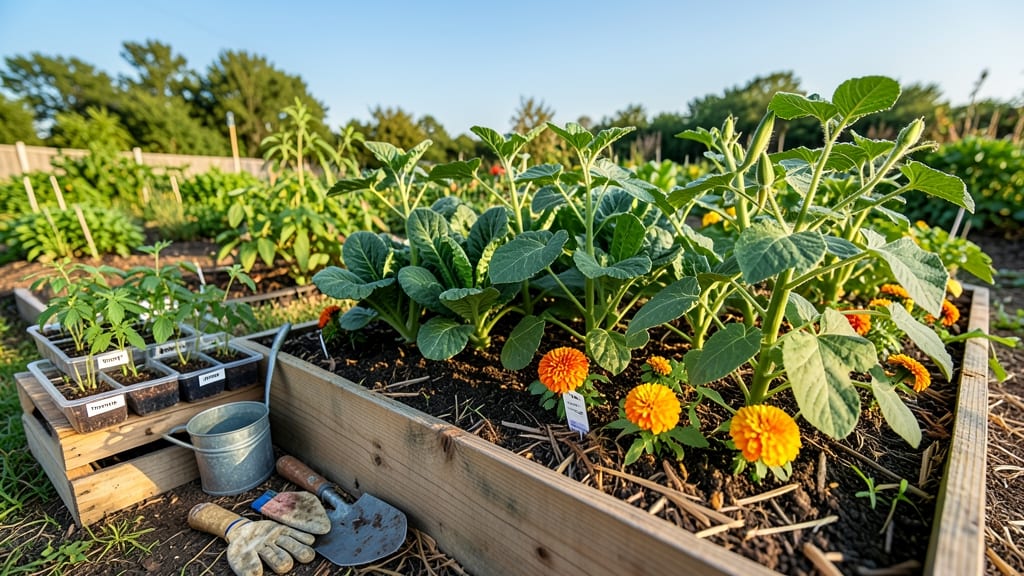
Knowing when to plant a garden in Alabama just right means the difference between a thriving harvest and wilted disappointment. The state’s unique climate—with its mild winters and scorching summers—demands precise planting windows to avoid bolting greens or stunted growth.
I’ve seen firsthand how a few weeks too early or late can turn your hard work into frustration. Whether you’re growing tomatoes in North Alabama or peppers in the Deep South, knowing when to plant is the key to success in USDA Zones 7a-8b.
In this guide, I’ll break down the exact spring and fall planting schedules tailored to your region—so you can enjoy fresh produce from February through October without the guesswork.
Let’s get your 🌱 garden off to the right start with zero-bolt, zero-stress timing that actually works for Alabama’s climate.
Alabama’s ideal planting windows by region: spring & fall timelines
Alabama’s diverse climate—from the cooler Appalachian foothills to the steamy Gulf Coast—means planting times vary dramatically across just 200 miles. North Alabama’s USDA Zone 7a (think Huntsville) has later last frosts, while South Alabama’s Zone 8b (Mobile area) enjoys year-round growing potential.
Getting these timelines right means the difference between lush tomatoes and sad, bolted lettuce.
For cool-season crops (leafy greens, broccoli, carrots), aim to plant 4-6 weeks before your average last frost date. In North Alabama, that’s mid-February to March 15, while South Alabama gardeners can start as early as January for a spring harvest.
Warm-season lovers (tomatoes, peppers, squash) should wait until 2-3 weeks after your last frost—typically mid-April in the North and March in the South.
Fall planting is Alabama’s secret weapon—cooler temps extend harvests well into November. Start warm-season crops like sweet potatoes in late May for a fall harvest, and cool-season crops in August for a winter bounty.
The key? Monitoring your local microclimate—valleys stay cooler longer than hilltops, and urban areas can be 5°F warmer than rural spots.
🌱
Alabama Planting Timelines by Region
| Region | Last Frost | Cool-Season Start | Warm-Season Start | Fall Planting Window |
|---|---|---|---|---|
| North Alabama (Huntsville, Decatur) | March 15 | Feb 15 - Mar 1 | Apr 15 - May 1 | Aug 1 - Sep 15 |
| Central Alabama (Birmingham, Montgomery) | March 1 | Jan 15 - Feb 15 | Mar 20 - Apr 10 | Jul 15 - Aug 30 |
| South Alabama (Mobile, Dothan) | Feb 15 | Dec 15 - Jan 31 | Feb 28 - Mar 15 | Jun 15 - Jul 31 |
*Dates vary by microclimate—always check your local Alabama Cooperative Extension data!
Let’s talk zero-bolt greens, because nothing’s worse than waiting months for lettuce to turn bitter and bolt. In Alabama’s heat, spinach and kale planted after March 15 in the North or February 28 in the South will likely bolt by May.
Instead, opt for heat-tolerant varieties like ‘Black Seeded Simpson’ lettuce or ‘Winterbor’ kale, and use shade cloth (30-50%) to buy extra weeks.
For tomatoes and peppers, timing matters just as much. Plant too early, and cool soil stunts roots. Too late, and you’ll miss the 90-day harvest window before fall frosts. My trick? Start tomato seedlings indoors in February (yes, even in Alabama!) and transplant 2-3 weeks after last frost.
For peppers, wait until soil temps hit 65°F—usually mid-April in the North and early March in the South.
Don’t overlook squash and cucumbers, which thrive in Alabama’s heat but need consistent moisture. Plant yellow squash and zucchini in late April-May for a summer harvest, and again in July for a fall crop.
Pro tip: Use black plastic mulch to warm soil faster and suppress weeds—this can shave 2-3 weeks off your planting timeline.
🌿
If you’re new to Alabama gardening, here’s my top pro tip: Plant a test row of radishes or bush beans 2 weeks before your target date. These fast growers (30-60 days to harvest) reveal if your soil is ready.
If they thrive, your tomatoes and peppers will too. And always keep a garden journal—note when you plant, what thrives, and when bolting strikes. After 3 years, you’ll have a customized planting calendar tailored to your yard’s quirks.
Finally, remember that fall planting is Alabama’s second chance for a harvest. While spring planting gets all the glory, fall often yields sweeter potatoes, tender greens, and less pest pressure.
Start warm-season crops like collards and turnips in August, and you’ll be feasting on homegrown greens through December. Just be ready to protect seedlings with row covers when temperatures dip below 40°F.
How to adjust planting dates for zero-bolt greens in Alabama’s heat
Alabama’s summer heat can turn delicate greens like lettuce and spinach into bitter, bolted messes if planted too early. I’ve learned the hard way—my first attempt with buttercrunch lettuce in May ended in disappointment when it shot up flowers by June.
The key? Adjusting planting dates and using smart strategies to beat the heat.
For heat-sensitive greens, aim to plant them when daytime temps stay below 80°F (27°C). In North Alabama, this window is late August to early October, while South Alabama gardeners can start as early as mid-July for a fall harvest.
Succession planting every 2-3 weeks keeps a steady supply without bolting.
🌱 Shade cloth is your best friend for extending the season. A 30-50% shade cloth can lower soil temps by 10-15°F (5-8°C) and prevent bolting. I’ve seen romaine lettuce thrive under shade in 90°F (32°C) heat when planted with this trick.
📌 5 Proven Strategies to Prevent Bolting
- ⏰ Plant at the right time: Cool-season crops 8-10 weeks before first frost.
- 🌿 Use shade cloth: 30-50% coverage for greens in peak summer.
- 💧 Water deeply: 1-2 inches weekly to prevent stress.
- 🌱 Choose heat-tolerant varieties: Try 'Black Seeded Simpson' lettuce or 'Heat-Tolerant' spinach.
- 📅 Succession plant: Sow new seeds every 2-3 weeks for continuous harvests.
Another game-changer? Heat-tolerant varieties like 'Jericho' lettuce or 'Tyee' spinach can handle 85°F (29°C) temps better than traditional types. I’ve had success with these in Central Alabama’s late-summer heat when other greens fail.
If you’re planting in containers, opt for shallow-rooted varieties like arugula or mesclun mixes. Containers heat up faster, so keep them in dappled shade during the hottest hours. A light mulch of straw also helps retain moisture and cool the soil.
Finally, watch for early signs of bolting—tall, thin stems or yellowing leaves mean it’s too late to save that plant. But with these adjustments, you’ll enjoy crisp, sweet greens straight from your Alabama garden well into fall.